Bridging Nature and Humanity through the Power of Photography
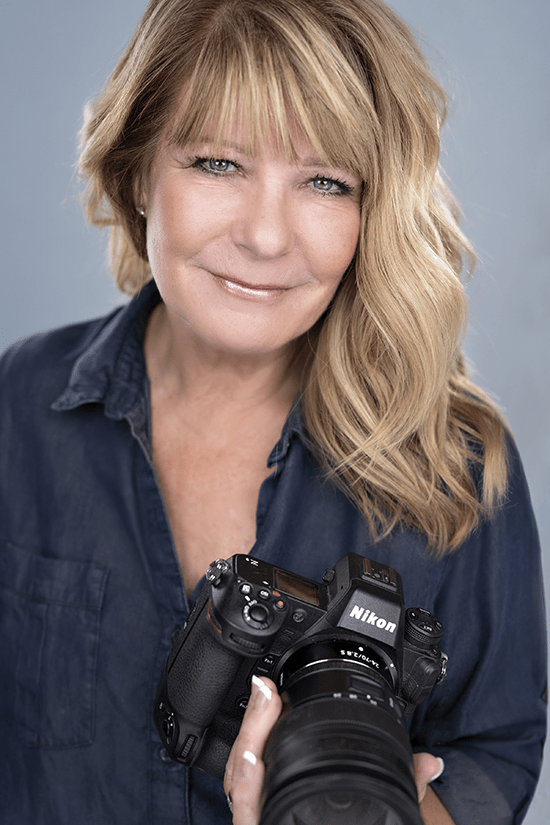
Eighteen years ago, renowned Canadian photographer Michelle Valberg first traveled to Pond Inlet, initiating her Arctic exploration. On the vast, silent fringes of the Canadian High Arctic, where ice met open water, she experienced a profound moment that completely altered the trajectory of her career and life.
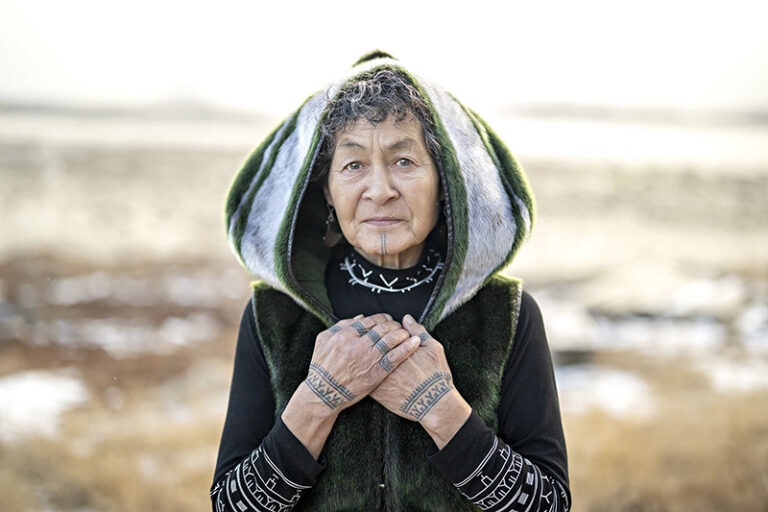
Standing before the endless wilderness, she wasn’t just struck by the magnificent scenery and wildlife; she was deeply moved by the realization that she was a stranger to the people of the land. Despite living in Canada for decades, she knew little about the Inuit and the cultural traditions that define the North. “I used to think the Arctic was flat, white, and cold,” she recalls from her home in Ottawa. “When I met the Inuit, I was deeply affected. I realized how little I knew about their culture.”
That encounter ignited a mission: to bring the Arctic’s stories south and share the region’s beauty and challenges with the world. This mission has not only raised conservation awareness through her photography but also resulted in the “Project North” initiative, which has raised two million Canadian dollars worth of sports equipment for forty northern communities, bringing health, joy, and cohesion to their children. This dedication earned her the Order of Canada, redefining her understanding of the link between art and social responsibility, and inspiring countless individuals to focus on marginalized communities and vulnerable ecosystems.
The Nation Captured: Valberg’s Photographic Frontiers
Michelle Valberg is one of Canada’s most distinguished wildlife photographers, whose forty-year career has cemented her status as a legend in capturing the wild. Her lens focuses on extreme environments like the Arctic and Yellowstone, documenting the vibrant moments of wildlife and the fragile nature of their ecosystems.
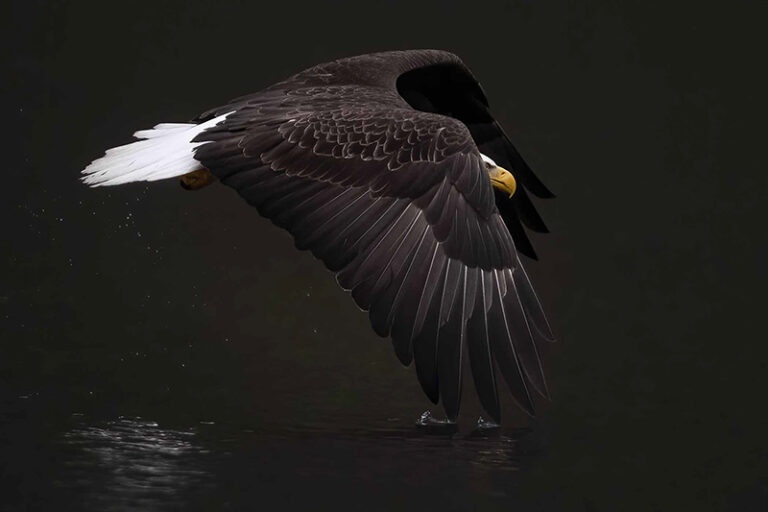
Bald eagle, Khutzeymateen Grizzly Bear Sanctuary, British Columbia, Canada. Image credit: Michelle Valberg
Her work is emotionally powerful, from the graceful sweep of a Bowhead whale at the Pond Inlet floe edge to the solitary trek of a Polar Bear across the ice. Particularly memorable was her trip to Yellowstone last year, where in the extreme cold of -48 degrees Celsius (about -54 degrees Fahrenheit), she captured wolves on the frozen plain. Heat rose from the wolves’ bodies, intermingling with the cold air to create a dreamy heat haze, softening the image as if the land itself was breathing against the snow. This subtle atmospheric distortion made capturing a sharp image incredibly challenging, but through patience and skill, she conveyed a surreal beauty in the wolves’ stark contrast against the snow.
As a Nikon Ambassador, she’s known for her technical mastery and firm ethical standards, refusing to trap or disturb animals, committed instead to telling the story of humanity and the environment through her lens. Her work has appeared on Canadian postage stamps, commemorative coins, and public art, touching countless viewers. Her recent infrared photography exhibition, “Beyond the Visible,” showcases her pursuit of innovation, using a modified camera to capture environmental details invisible to the naked eye, presenting a surreal natural beauty that challenges the audience to re-examine their relationship with nature.
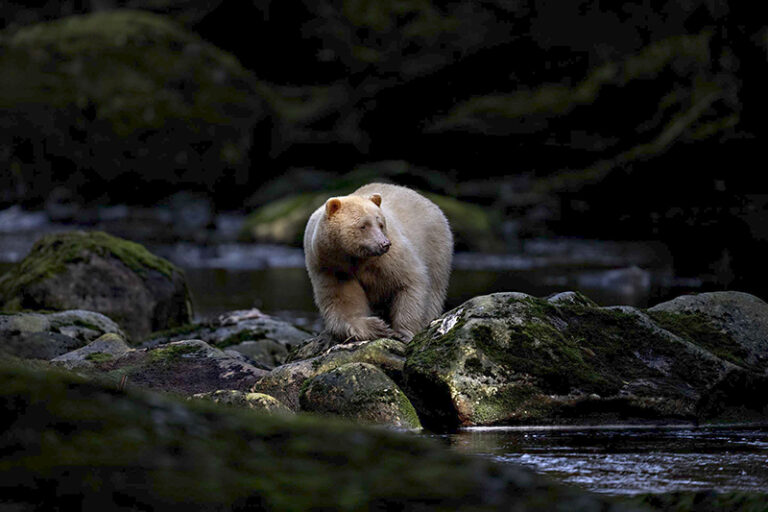
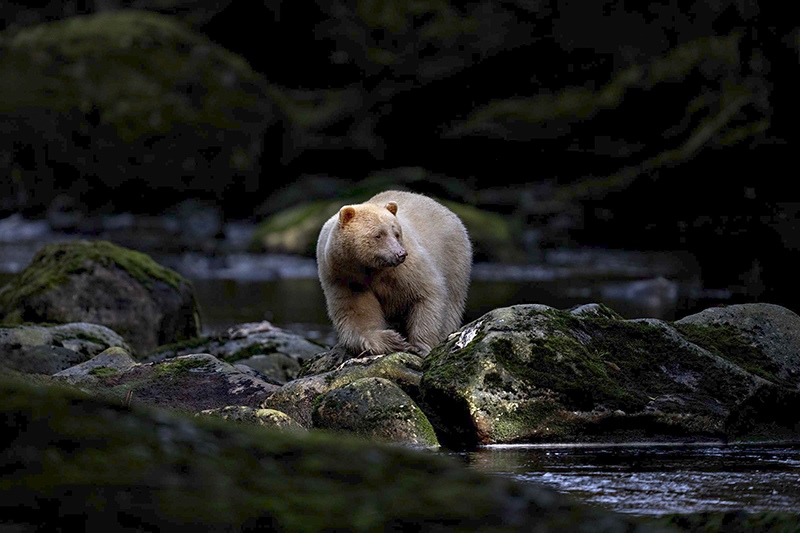
Spirit bear, Great Bear Rainforest, British Columbia. Image credit: Michelle Valberg
The Intersection of Art and Public Domain: Shaping National Identity
Michelle’s photography doesn’t just shine in galleries and books; through Canadian stamps, commemorative coins, and public art, it has become a symbol of national culture. Her work was selected for a Canadian 150th Anniversary commemorative coin, condensing the natural and cultural essence of the Nunavut region and capturing majestic scenes like the Polar Bear, a symbol of the wild.
For Canada Post, she designed a series of bear stamps, featuring four different regional species. She recalls, “Stamp design is very strict. It required four bears, four locations, but the composition and the bear’s posture had to match.” This necessitated selecting images from thousands of photos to align with Canada Post’s vision. In public art, her work brings the snowy beauty of the Arctic into urban spaces, serving as a cultural landmark that inspires public awareness for the preservation of Canadian wilderness.
Creating for public media differs significantly from creating for galleries or books. Commemorative coins demand complex stories be distilled into a small, circular frame, while stamps require a balance of aesthetic appeal and consistency within a limited space. Public art must appeal to diverse audiences. “For the stamps and coins, you have to dig deep to match their vision,” she explains. “For an exhibition, you’re telling your own story, but you also have to consider the audience’s feelings.”
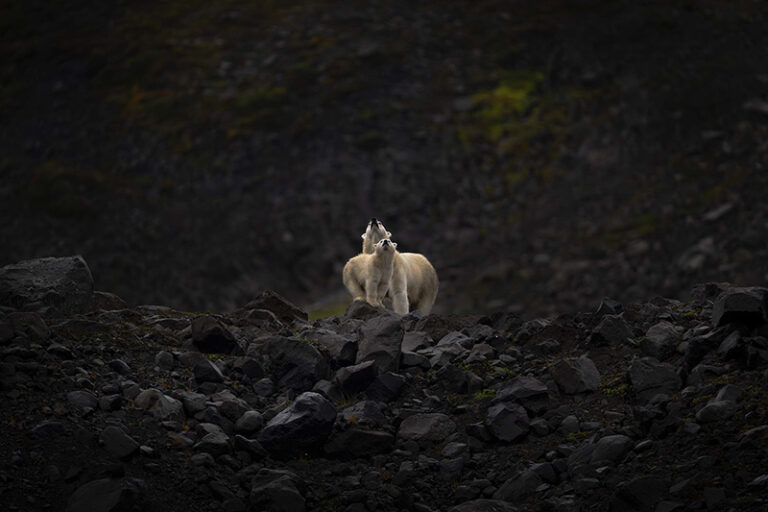
Polar bear mother and cub, Greenland. Image credit: Michelle Valberg
A Mission of Hope: Two Million Dollars for Arctic Communities
Michelle’s Arctic mission began with that powerful experience at the Pond Inlet floe edge eighteen years ago. “Standing in the vast silence, at the extreme north of our country, waiting for animals to approach, that experience fundamentally changed my life,” she recalls.
However, a visit to the local store in Pond Inlet revealed staggering prices: a two-liter carton of milk cost $18 CAD, and a watermelon was $35 CAD. Simultaneously, she noticed the Inuit community’s profound love for hockey, but the high cost of living made sports gear an unattainable luxury. “I realized they couldn’t afford hockey equipment,” she says.
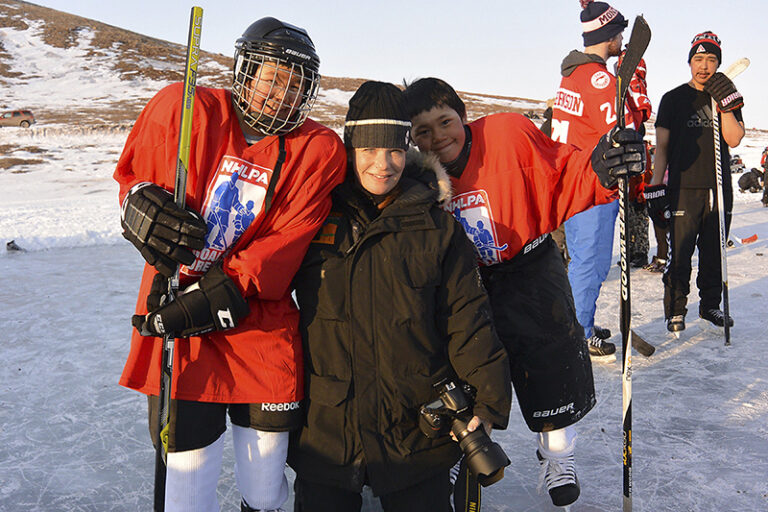
Project North with Michelle Valberg, Arctic Bay, Nunavut. Image credit: Project North
Consequently, she launched Project North, an initiative to supply hockey gear to Arctic communities. She organized used equipment drives in Ottawa and secured support from the NHL Players’ Association Goals & Dreams Fund, which provided 50 new sets of equipment. This support helped Project North transition into a non-profit organization. Over fifteen years, Michelle’s tireless efforts raised two million dollars’ worth of hockey and other sports equipment for forty Arctic communities, supporting young women’s teams and promoting family participation.
“It’s not just about cold equipment,” she emphasizes, “it’s about making the children feel seen, supported, and injecting continuous vitality into the entire community.” Although the project concluded in early 2025, its legacy continues to inspire Arctic youth toward health and pursuing their dreams.
Throughout her creative journey across diverse media, Michelle has gained invaluable lessons. First, she mastered the art of adaptation, learning how to align her personal creativity with institutional needs while maintaining authenticity. Second, she discovered the power of storytelling under constraint; the strict formats of stamps and coins forced her to distill complex narratives into single images, sharpening her ability to convey emotion and meaning efficiently.
Furthermore, she recognized the responsibility that comes with public platforms. “These honors give me an added responsibility,” she says. “They open doors for more people, helping to spread the environmental and cultural message.” She further amplified these messages through collaborations with organizations like the Raincoast Conservation and the Jane Goodall Institute of Canada.
Her path shows that technical challenges can lead to new aesthetic discoveries, and the demands of varied perspectives enrich an artist’s means of expression.
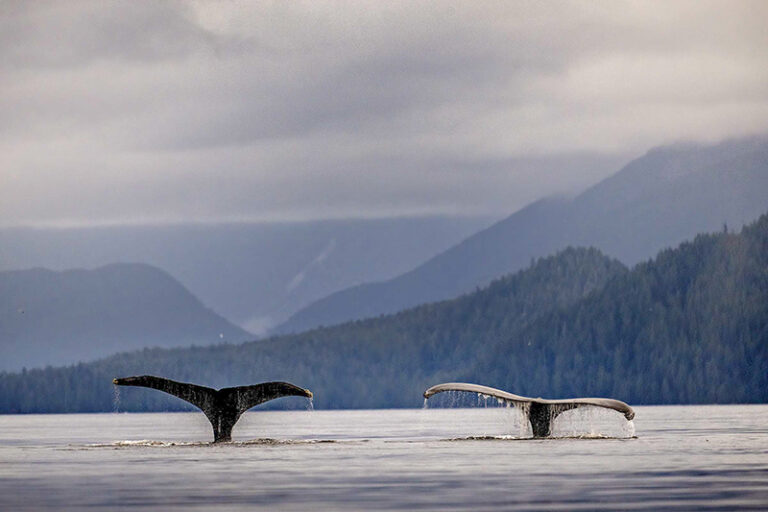
Humpback whales, Great Bear Rainforest, British Columbia, Canada. Image credit: Michelle Valberg
Conclusion: Inspiring Change with the Lens
Michelle Valberg’s photography, whether etched on commemorative coins, printed on stamps, or displayed in public art, is a testament to her commitment to sharing the soul of nature with the world. Her work infuses public media with universal emotion, brings profound narratives to galleries and books, and, through Project North, delivered hope and change to Arctic communities.
The epiphany at the Arctic floe edge and the challenges of the Yellowstone deep freeze ignited her mission, which she sustained through non-profit work. Her journey inspires photographers and environmentalists alike to view art as a bridge connecting beauty, truth, and action, turning a single moment into a lasting call for change.