
How a coastal civilization before the Inca transformed seabirds, soil, and maize into a system of enduring power
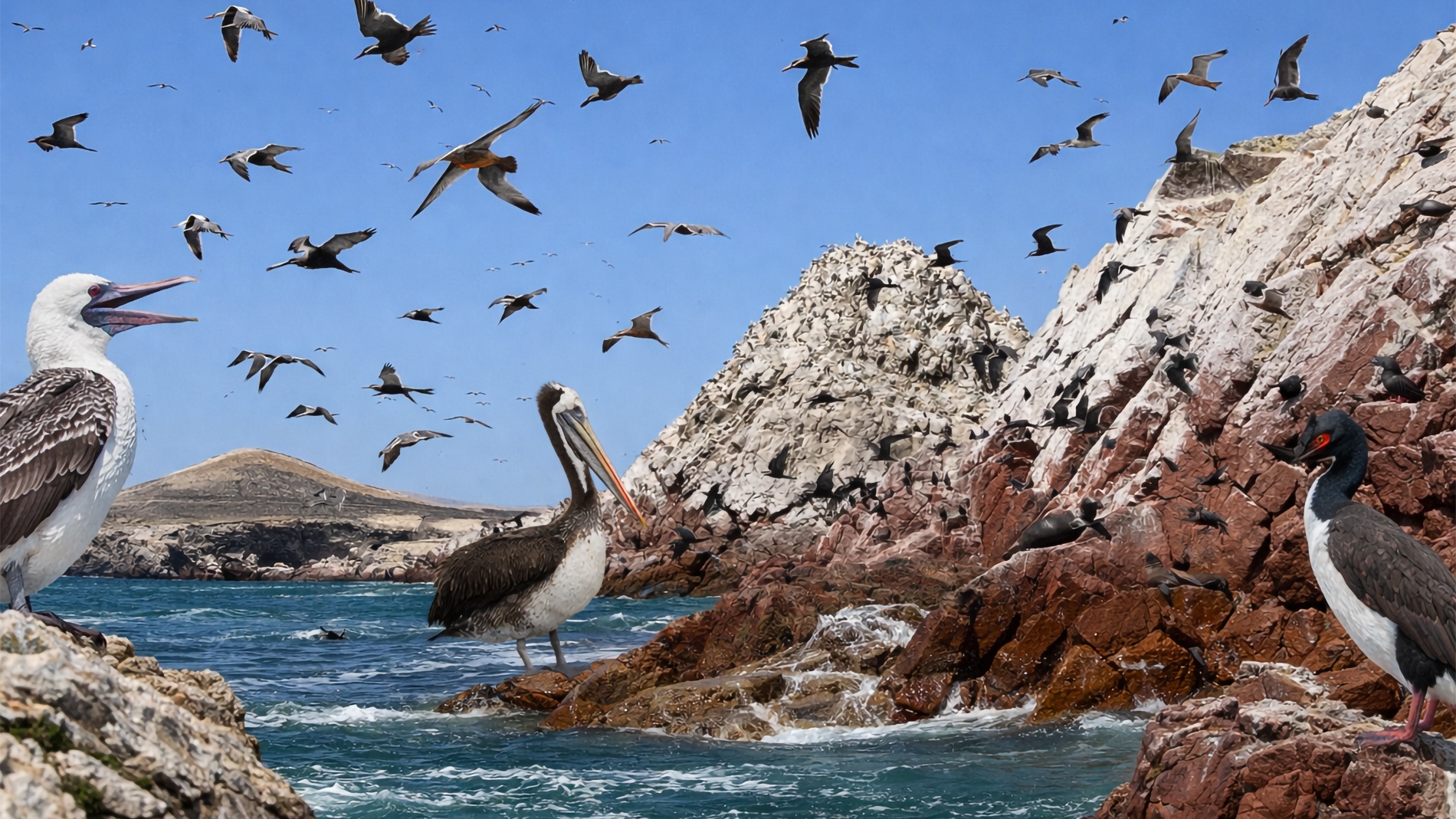
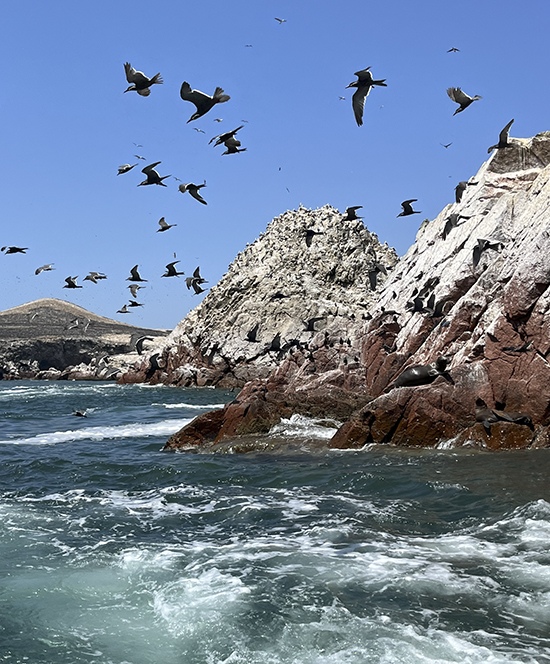
There is something quietly radical in the idea that a kingdom's wealth might be traced not to precious metal or ritual shell, but to birds circling above a cold Pacific current. The Chincha Kingdom flourished on Peru's southern coast in a landscape where agriculture should have been precarious. Yet the evidence emerging from Jacob Bongers and his collaborators suggests that the Chincha recognized a deeper form of abundance: one created by a living exchange between sea and land, fish and bird, guano and maize.
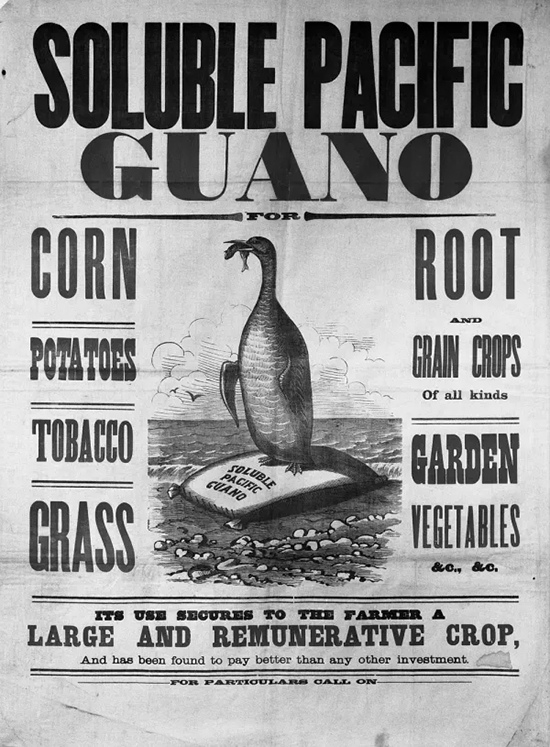
At the center of the research is a simple but powerful question. If ancient farmers used seabird guano as fertilizer, could that practice still be detected in the chemistry of archaeological maize? The answer, preserved in nitrogen isotopes within thirty five ancient corn cobs, is strikingly clear. The values are significantly elevated, pointing to a long history of fertilization with seabird guano and suggesting that Chincha agricultural productivity rested on a carefully managed ecological system rather than on extraction alone.
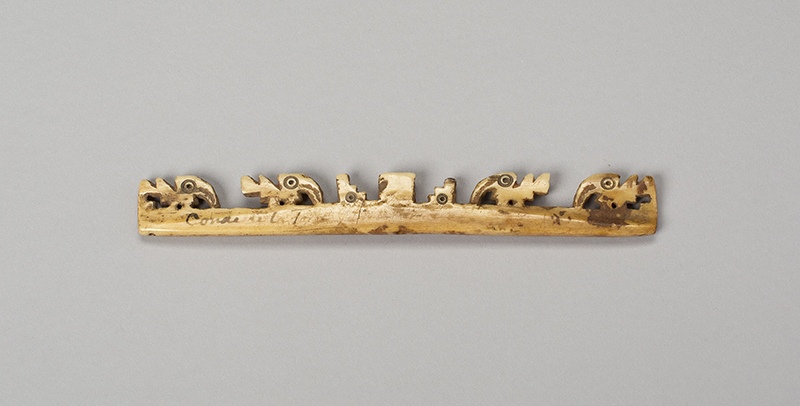
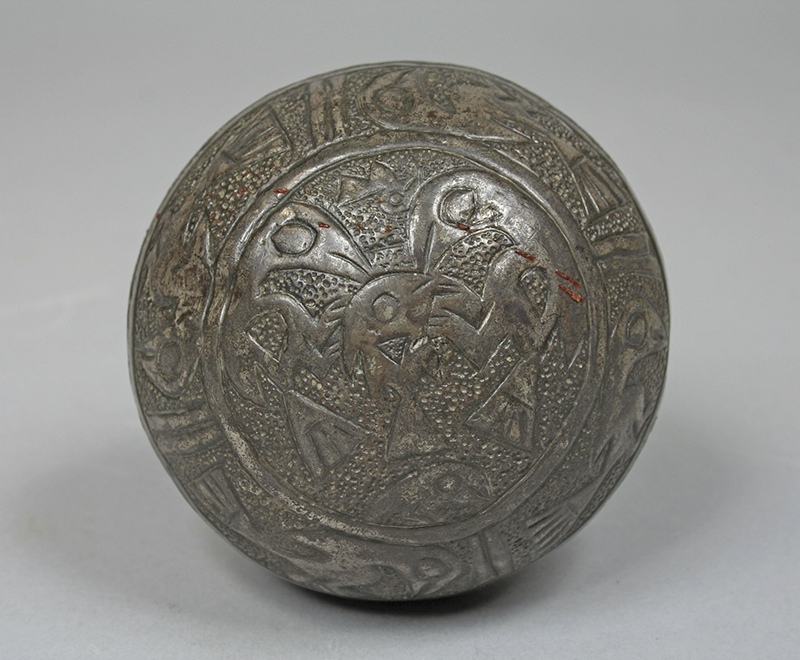
What makes the story especially compelling is that the chemistry does not stand alone. Artworks from the region also appear to narrate the same cycle. Seabirds, fish, and sprouting maize recur together in ceramics, textiles, and carved imagery, as though the community had already encoded into visual culture what isotope data now makes newly legible. What emerges is not just an agricultural strategy, but a cosmology of interdependence.
The Conversation
Part I: Reading the Chemical Trace
Nitrogen is a vital nutrient for plant growth. Seabirds eat fish, and fish are nitrogen rich, so seabird guano naturally contains high nitrogen values. When ancient farmers used such a resource, those elevated signatures were absorbed by the crops. Isotopic analysis of archaeological plant material allows us to look at those values. If the readings are significantly high, guano is the best candidate to explain the result. We looked at thirty five maize cobs from the Chincha Valley, and the values were significantly elevated.
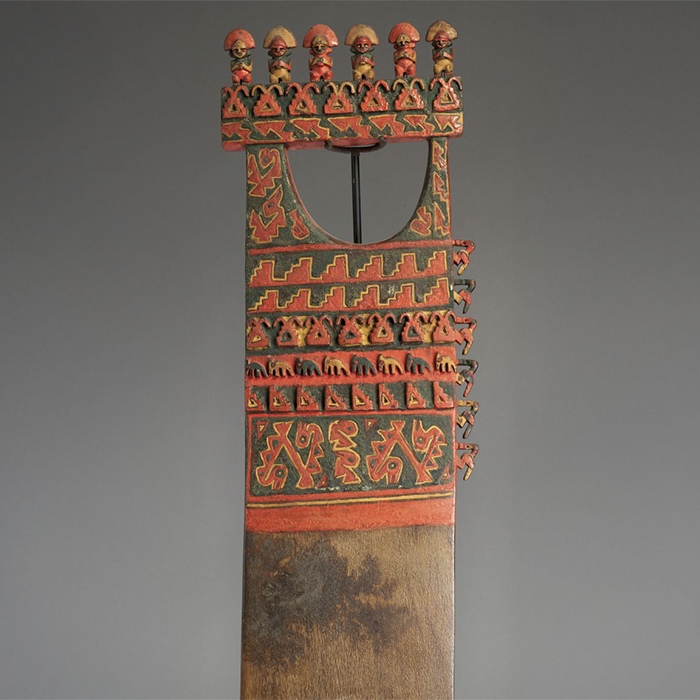
My co-author Jo Osborn studied a large body of Chincha artwork. She identified seabirds, fish, and sprouting maize appearing together on textiles, ceramics, and wall carvings. Such imagery tells us they were representing ecological knowledge through art. They knew the cycle: seabirds eat fish, birds produce guano, guano goes into the soil, and the soil grows the maize. The chain was embedded in their belief system. They revered the seabirds and incorporated the entire cycle into their understanding of the world. The valuable asset was not just the guano, but the knowledge of the system.
Part II: Wealth, Trade, and Ecological Power
We are not saying the spondylus model is wrong. Spondylus shells were highly valued ritual items. The Chincha merchants were famous for managing llama caravans and trading across the Andes. We are suggesting that guano was also central to the story. The foundation of Chincha agricultural productivity, which sustained a population of at least one hundred thousand people, was rooted in such a resource.
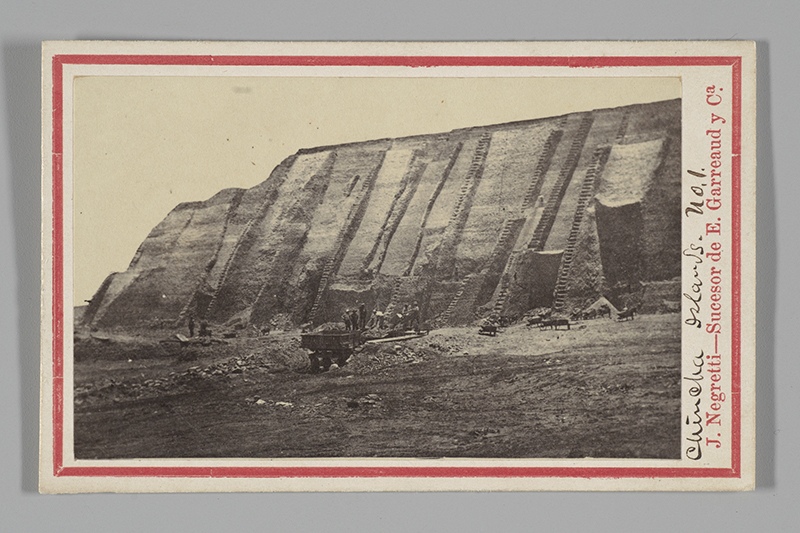
The Chincha Islands had the highest quality guano deposits in the region. Not everyone had access to them. The Inca, a highland civilization, did not know how to sail. They were also obsessed with maize for ceremonies and gatherings involving fermented maize beer. To grow maize at the scale an empire requires, one needs guano. To get guano, one needs the Chincha. When the Inca incorporated the Chincha Kingdom, guano was likely part of the negotiation. The Inca understood perfectly well how powerful such access was.
It speaks to the idea of knowledge as power. They knew that if the birds died, the resource vanished. Protecting the birds during breeding season was strategic. It was ecologically sophisticated. They understood that the cycle was renewable as long as the birds were protected.
Part III: Knowledge Without Writing
It reframes what wealth means. Wealth is the knowledge to see a resource, understand how it works, and protect it over generations. The Chincha had maritime capability to retrieve the guano, but their ecological literacy was the genuine power. Such knowledge was transmitted orally and embedded in ritual life. A real question remains about what happens when such knowledge disappears. In the Andes, the disruption of the Spanish conquest severed many of those transmission chains. We are now reconstructing fragments.
We must read the iconography and the material culture carefully. While the Inca had khipus, which were systems of knotted string, there is no evidence of writing in the traditional sense. Some work suggests that Andean textiles were transmitting information through motifs and patterns. We might never know the exact meaning of those symbols, but the speculation is worth having.
My grandfather was a chemical engineer interested in Roman history. We would go metal detecting in the Dutch countryside and find ancient coins. Such a feeling of holding something ancient stayed with me. Later, I took a class on Andean archaeology. I was drawn to the mystery of how cooperation worked in extreme environments.
The digital part involves drones, LiDAR sensors, and photogrammetry. LiDAR is remarkable because it allows one to produce detailed maps of the surface by stripping away vegetation digitally. I have used such tools to identify sites in difficult terrain.
Monte Sierpe is a one and a half kilometer long band of over five thousand holes. We used a drone to map the layout and found maize remains inside the holes. Since maize pollen does not travel far by wind, the presence of such material means it was placed there deliberately. My hypothesis is that the site functioned as a large scale accounting system. It was a physical spreadsheet carved into the hillside.
Archaeology is the study of past human behavior based on what people left behind. One central question is how to explain social change. We are saying that ecological knowledge was a driver of political transformation. Archaeology is not about finding final answers. It is about posing better questions.
Conclusion
There is something quietly unsettling about a civilization that solved an agricultural problem in a coastal desert without laboratories or writing. They encoded the solution in their cosmology so thoroughly that seabirds appeared alongside sprouting corn on everything they made. The research of Dr. Bongers presents this as evidence of ecological sophistication operating at a significant scale.
The Chincha and the Inca recognized that the cycle between sea and land was something one could participate in by paying close attention. The resource provided power, but the knowledge of the system was the deeper strength. The questions that remain are invitations to ask better ones.
How a coastal civilization before the Inca transformed seabirds, soil, and maize into a system of enduring power
There is something quietly radical in the idea that a kingdom's wealth might be traced not to precious metal or ritual shell, but to birds circling above a cold Pacific current. The Chincha Kingdom flourished on Peru's southern coast in a landscape where agriculture should have been precarious. Yet the evidence emerging from Jacob Bongers and his collaborators suggests that the Chincha recognized a deeper form of abundance: one created by a living exchange between sea and land, fish and bird, guano and maize.
At the center of the research is a simple but powerful question. If ancient farmers used seabird guano as fertilizer, could that practice still be detected in the chemistry of archaeological maize? The answer, preserved in nitrogen isotopes within thirty-five ancient corn cobs, is strikingly clear. The values are significantly elevated, pointing to a long history of fertilization with seabird guano and suggesting that Chincha agricultural productivity rested on a carefully managed ecological system rather than on extraction alone.
What makes the story especially compelling is that the chemistry does not stand alone. Artworks from the region also appear to narrate the same cycle. Seabirds, fish, and sprouting maize recur together in ceramics, textiles, and carved imagery, as though the community had already encoded into visual culture what isotope data now makes newly legible. What emerges is not just an agricultural strategy, but a cosmology of interdependence.
The Conversation
Part I: Reading the Chemical Trace
Nitrogen is a vital nutrient for plant growth. Seabirds eat fish, and fish are nitrogen-rich, so seabird guano naturally contains high nitrogen values. When ancient farmers used such a resource, those elevated signatures were absorbed by the crops. Isotopic analysis of archaeological plant material allows us to look at those values. If the readings are significantly high, guano is the best candidate to explain the result. We looked at thirty-five maize cobs from the Chincha Valley, and the values were significantly elevated.
My co-author Jo Osborn studied a large body of Chincha artwork. She identified seabirds, fish, and sprouting maize appearing together on textiles, ceramics, and wall carvings. Such imagery tells us they were representing ecological knowledge through art. They knew the cycle: seabirds eat fish, birds produce guano, guano goes into the soil, and the soil grows the maize. The chain was embedded in their belief system. They revered the seabirds and incorporated the entire cycle into their understanding of the world. The valuable asset was not just the guano, but the knowledge of the system.
Part II: Wealth, Trade, and Ecological Power
We are not saying the spondylus model is wrong. Spondylus shells were highly valued ritual items. The Chincha merchants were famous for managing llama caravans and trading across the Andes. We are suggesting that guano was also central to the story. The foundation of Chincha agricultural productivity, which sustained a population of at least one hundred thousand people, was rooted in such a resource.
The Chincha Islands had the highest quality guano deposits in the region. Not everyone had access to them. The Inca, a highland civilization, did not know how to sail. They were also obsessed with maize for ceremonies and gatherings involving fermented maize beer. To grow maize at the scale an empire requires, one needs guano. To get guano, one needs the Chincha. When the Inca incorporated the Chincha Kingdom, guano was likely part of the negotiation. The Inca understood perfectly well how powerful such access was.
It speaks to the idea of knowledge as power. They knew that if the birds died, the resource vanished. Protecting the birds during breeding season was strategic. It was ecologically sophisticated. They understood that the cycle was renewable as long as the birds were protected.
It reframes what wealth means. Wealth is the knowledge to see a resource, understand how it works, and protect it over generations. The Chincha had maritime capability to retrieve the guano, but their ecological literacy was the genuine power. Such knowledge was transmitted orally and embedded in ritual life. A real question remains about what happens when such knowledge disappears. In the Andes, the disruption of the Spanish conquest severed many of those transmission chains. We are now reconstructing fragments.
Part III: Knowledge, Memory, and Method
We must read the iconography and the material culture carefully. While the Inca had khipus, which were systems of knotted string, there is no evidence of writing in the traditional sense. Some work suggests that Andean textiles were transmitting information through motifs and patterns. We might never know the exact meaning of those symbols, but the speculation is worth having.
My grandfather was a chemical engineer interested in Roman history. We would go metal detecting in the Dutch countryside and find ancient coins. Such a feeling of holding something ancient stayed with me. Later, I took a class on Andean archaeology. I was drawn to the mystery of how cooperation worked in extreme environments.
The digital part involves drones, LiDAR sensors, and photogrammetry. LiDAR is remarkable because it allows one to produce detailed maps of the surface by stripping away vegetation digitally. I have used such tools to identify sites in difficult terrain.
Monte Sierpe is a one and a half kilometer long band of over five thousand holes. We used a drone to map the layout and found maize remains inside the holes. Since maize pollen does not travel far by wind, the presence of such material means it was placed there deliberately. My hypothesis is that the site functioned as a large scale accounting system. It was a physical spreadsheet carved into the hillside.
Archaeology is the study of past human behavior based on what people left behind. One central question is how to explain social change. We are saying that ecological knowledge was a driver of political transformation. Archaeology is not about finding final answers. It is about posing better questions.
Conclusion
There is something quietly unsettling about a civilization that solved an agricultural problem in a coastal desert without laboratories or writing. They encoded the solution in their cosmology so thoroughly that seabirds appeared alongside sprouting corn on everything they made. The research of Dr. Bongers presents this as evidence of ecological sophistication operating at a significant scale.
The Chincha and the Inca recognized that the cycle between sea and land was something one could participate in by paying close attention. The resource provided power, but the knowledge of the system was the deeper strength. The questions that remain are invitations to ask better ones.