Where experiences, discoveries and creative journeys meet.

History & Prehistory

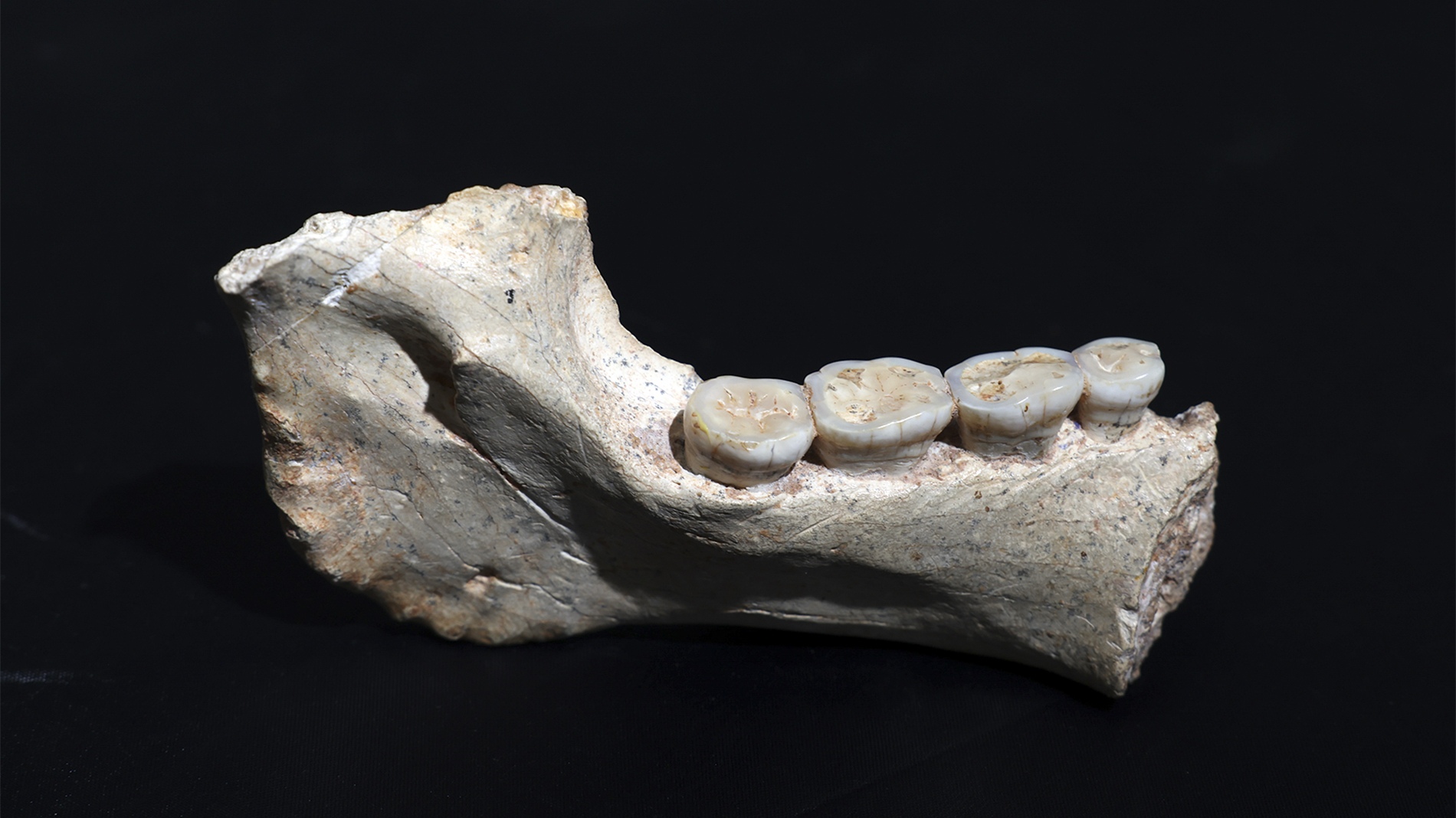
773 000 years old mandible ThI-GH-1 from Thomas Quarry in Morocco.

At the Root of Humanity: 773,000-Year-Old Fossils from Morocco

Self portrait of Dr. Jean-Jacques Hublin, Image credit: Collège de France How North African mandibles reveal populations near the human-Neanderthal divergence In the coastal formations of Casablanca, Morocco, where ancient sea levels carved caves into wind hardened dunes, researchers have uncovered fossils that illuminate a pivotal moment in human evolution. Dating to 773,000 years ago, […]

At the Root of Humanity: 773,000-Year-Old Fossils from Morocco Read More »
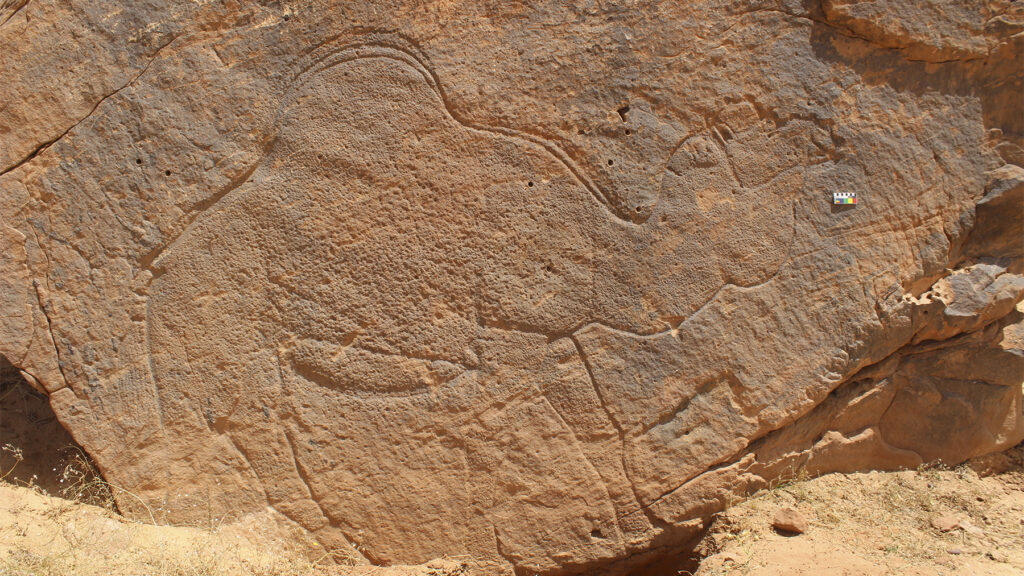
Life-sized, naturalistic camel engraving documented at Jebel Misma by Dr. Maria Guagnin, Archeologist, UK

Marking the Desert: The Water and Wayfinding Codes of Prehistoric Arabia

Self portrait, Image credit: Dr. Maria Guagnin 130 Gigantic Rock Carvings from 12,000 Years Ago Unveil Ancient Arabian Routes and the Sources of Life Along the southern edge of the Nefud Desert in northern Arabia, 130 life-sized rock carvings have emerged from obscurity. Suspended high on cliff faces, some stretching three meters in length, they

Marking the Desert: The Water and Wayfinding Codes of Prehistoric Arabia Read More »

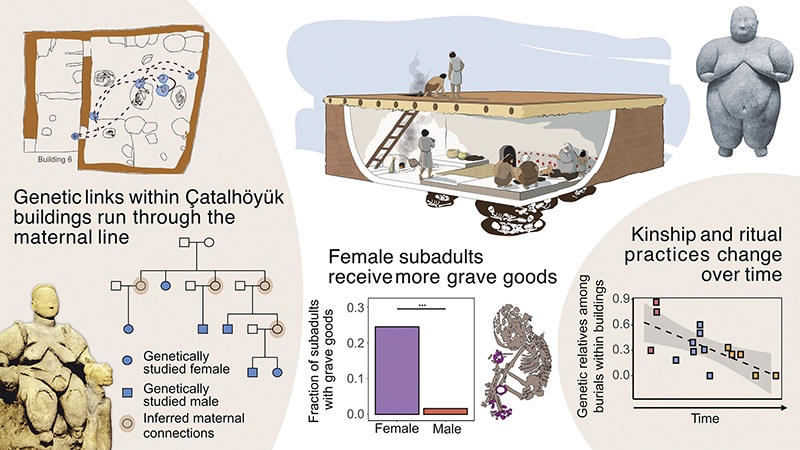
Female-centered practices and changing kinship patterns over time in Çatalhöyük. Shown are two Çatalhöyük figurines (credit: Mellaart International and the British Institute at Ankara). Centre: reconstruction of a typical Çatalhöyük building (credit: Kathryn Killackey). Left: Building 6 with six genetically studied burials (blue on building map) and their genetic connections (lines), and their inferred pedigree. Centre: Grave good frequencies and a stylized female infant burial with beads shown in purple. Lower right: The frequency of genetic relatives within 15 buildings, spanning about 500 years (bottom right).

Before Kings: Did Women Rule in the Ancient World?

Eva Rosenstock during the excavations at Çatalhöyük West in 2008. In the foreground, we can see a mudbrick wall from the buildings dating from the 6th millennium BCE. Image credit: Çatalhöyük Research Project New DNA evidence from Çatalhöyük reveals a 9,000-year-old civilization where women may have held the social reins When archaeologist James Mellaart first

Before Kings: Did Women Rule in the Ancient World? Read More »

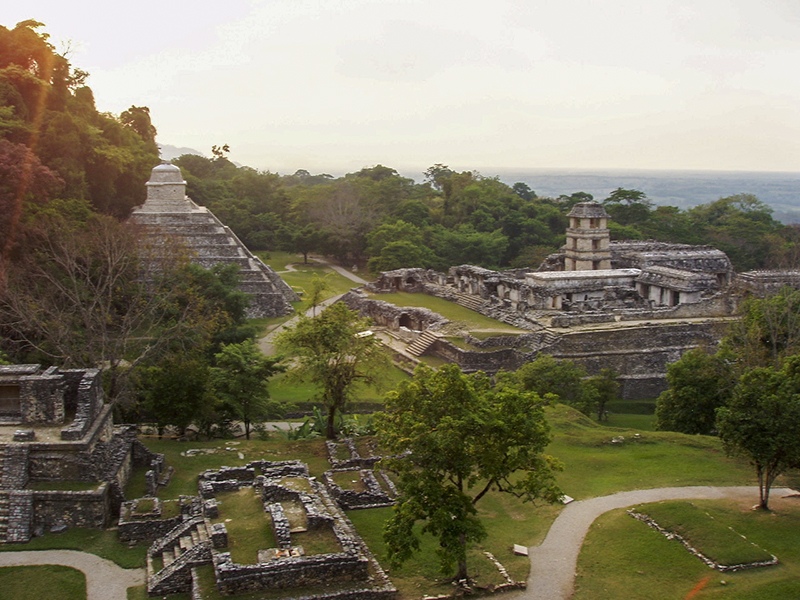
The Temple of the Inscriptions (left) at Palenque archaeological site, Chiapas, Mexico, 2005 by Lisa J. Lucero, Professor of Anthropology, University of Illinois at Urbana-Champaign, USA

Ancient Wisdom, Modern Solutions: How Maya Reservoirs Inspire Sustainable Water Management

In an era defined by escalating environmental anxieties, particularly the looming specter of water scarcity, we often look to cutting-edge technologies for salvation. Yet, sometimes, the most profound solutions lie not in the future, but buried deep within our past. Consider the ancestral Maya,…

Ancient Wisdom, Modern Solutions: How Maya Reservoirs Inspire Sustainable Water Management Read More »