
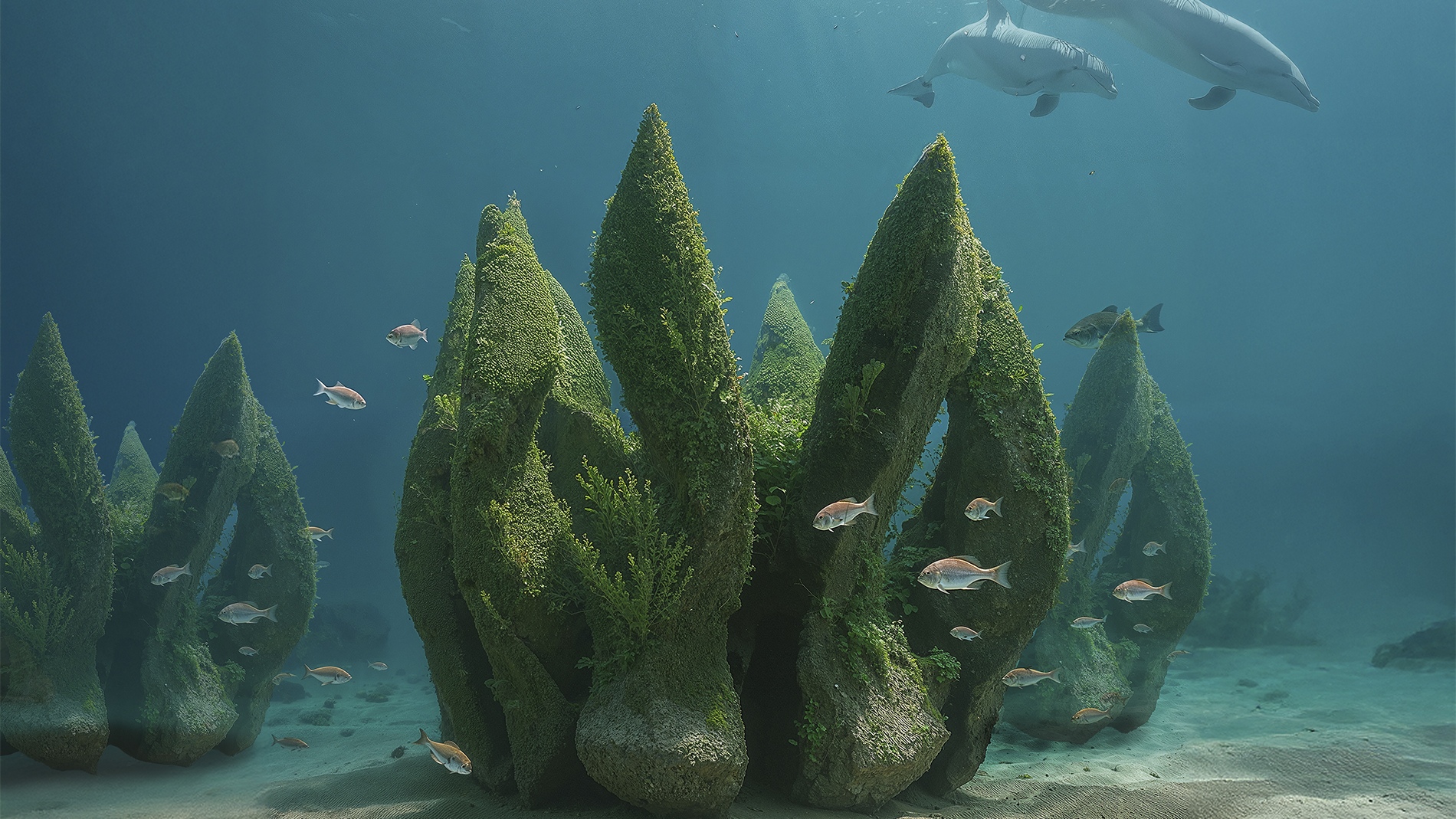
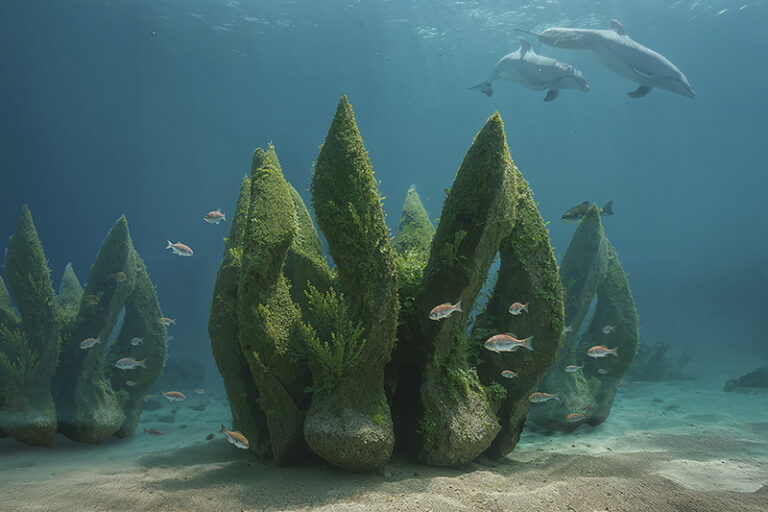
Zaha Hadid Architects, Hong Kong's tech hub, and Italian innovators deploy digitally fabricated reefs to restore biodiversity in threatened coastal waters
In the bustling coastal waters of Hong Kong, where relentless urban expansion, sprawling land reclamation, and heavy shipping traffic have left marine habitats scarred and depleted, a visionary collaboration is harnessing cutting-edge 3D printing to breathe new life into struggling ecosystems. Zaha Hadid Architects, renowned for their boundary-pushing designs, have partnered with Hong Kong Science & Technology Parks Corporation (HKSTP) and Italian 3D printing trailblazer D-Shape to create Nereid, an innovative artificial reef system. Unveiled at the prestigious 2025 World Design Congress in London, Nereid blends architectural ingenuity, advanced manufacturing, and deep ecological insight to combat the alarming loss of biodiversity in coastal zones battered by human activity and climate pressures.
Reimagining reef restoration
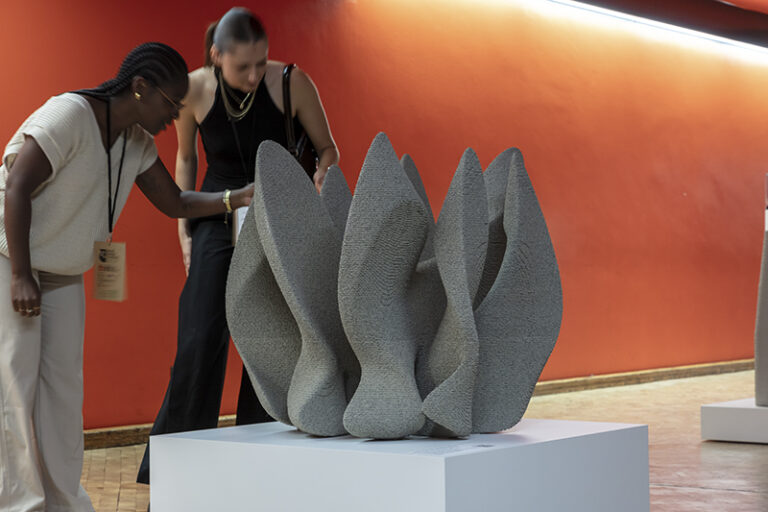
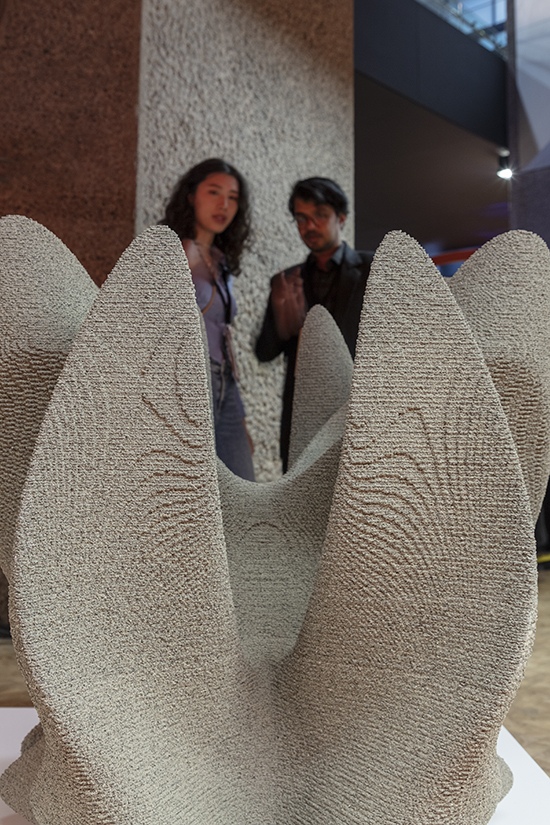
Unlike traditional artificial reefs made from sunken ships or simple concrete blocks, Nereid applies computational design to mimic the complexity of natural habitats such as kelp forests and benthic systems. Intricate and porous forms encourage colonization by marine life and create living structure on previously barren seafloor.
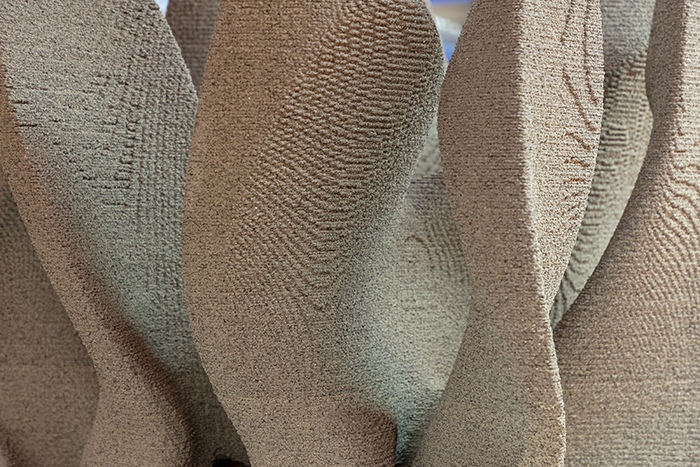
D Shape’s large scale binder jetting technology drives the fabrication, using an eco friendly, pH neutral concrete. The process achieves geometric precision that is difficult to reach with conventional casting. “Nereid shows how 3D printing can create habitats that blend innovation with nature,” said Mario Nuzzolese, director at D Shape. “Our technology enables scalable and sustainable solutions for marine restoration.”
Targeting the roots of marine life
Developed with marine physiologist Professor James Fang at Hong Kong Polytechnic University, Nereid focuses on phytoplankton and filter feeding shellfish that sit at the base of the food web. This strategy is intended to set off positive ecological effects that support fish, corals, and other species. The structures can also serve as low profile barriers that discourage destructive bottom trawling and protect vulnerable seabed communities.
Field work in early 2025 near Hong Kong International Airport reported rapid settlement by goby fish, barnacles, oysters, corals, and sponges. While early, the observations support the ecological concept. Nereid’s design and manufacturing aim to scale those results with better control of texture, void size, and surface chemistry.
Hong Kong’s waters as a testbed
Local ecosystems that include the endangered Chinese White Dolphin face heavy pressure from shipping, ferries, and land reclamation. Nereid’s deployment near the airport, one of the region’s most stressed zones, offers a visible test of whether design led reefs can restore habitat. The project team is careful to distinguish aims. Nereid targets benthic recovery. Dolphin conservation also requires noise reduction, vessel management, and fishery reforms.
“This collaboration showcases Hong Kong’s innovation ecosystem,” said Hilda Chan, chief marketing officer at HKSTP. “By combining Zaha Hadid Architects’ design with D Shape’s technology, we are addressing environmental challenges while advancing sustainable innovation.”
Design as a regenerative force
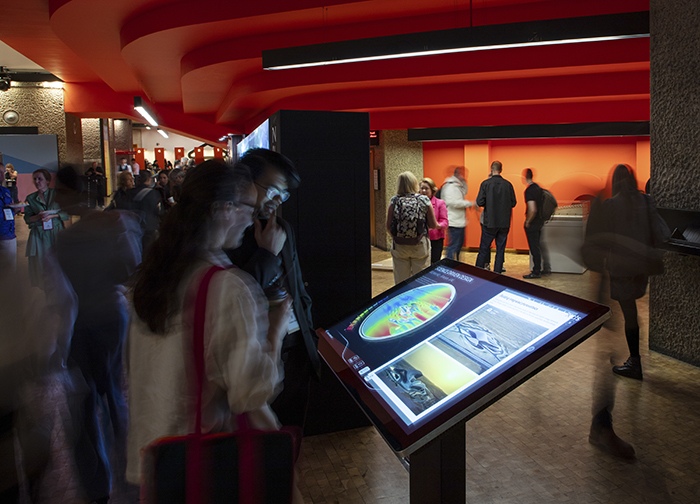
At the World Design Congress, Nereid appeared alongside other Zaha Hadid Architects initiatives that highlight design as an environmental tool.
Examples include the Eco Park Stadium that uses timber for lower embodied carbon, and the Striatus and Phoenix bridges where 3D printed geometry reduces material demand. Related programs such as NatPowerH’s green hydrogen refueling system and BEEAH Group’s sustainable headquarters point to a wider shift toward regenerative practice.
Scaling innovation and facing challenges
D Shape’s Vitareef division, with more than five hundred installations worldwide, helps communities produce nature inclusive habitats locally. HKSTP supports more than two thousand four hundred technology firms and fifteen thousand researchers, which gives Nereid a platform for pilot production and monitoring.
Open questions remain. Long term durability in harsh marine conditions needs multi year data. Scaling production to cover large degraded areas will test logistics and cost. Artificial reefs are only one part of recovery. Without progress on pollution control, fishing pressure, and climate adaptation, impact will be limited. Success should be judged by measured gains in biodiversity, fish recruitment, and structural resilience over time.
How success will be measured
Success will be tracked through systematic ecological monitoring over two years. Researchers will compare species richness and diversity indices at the reef sites against nearby control areas at six-month intervals. They will document juvenile fish populations, recording both density and size distribution on and around the structures. Sessile invertebrate colonization will be measured by percent coverage, alongside rates of carbonate accretion that indicate reef growth. Structural assessments after storm seasons will quantify physical integrity and surface abrasion. Water quality monitoring will capture changes driven by filter-feeding organisms and biofilm development, providing evidence of the reef’s functional role in the broader ecosystem.
A model for coastal recovery
Nereid represents a practical step toward regenerative design, where technology actively rebuilds ecosystems rather than only mitigating harm. As coastal regions worldwide confront accelerating degradation, this collaboration offers a model that combines architectural creativity, scientific method, and advanced manufacturing.
Questions about durability, scale, and broader environmental pressures are real. Even so, deployment in Hong Kong’s stressed waters, where Pink Dolphins move through busy shipping lanes, signals both promise and urgency. By printing habitat that living organisms can claim, Nereid charts a path toward healthier seas, one reef at a time.