
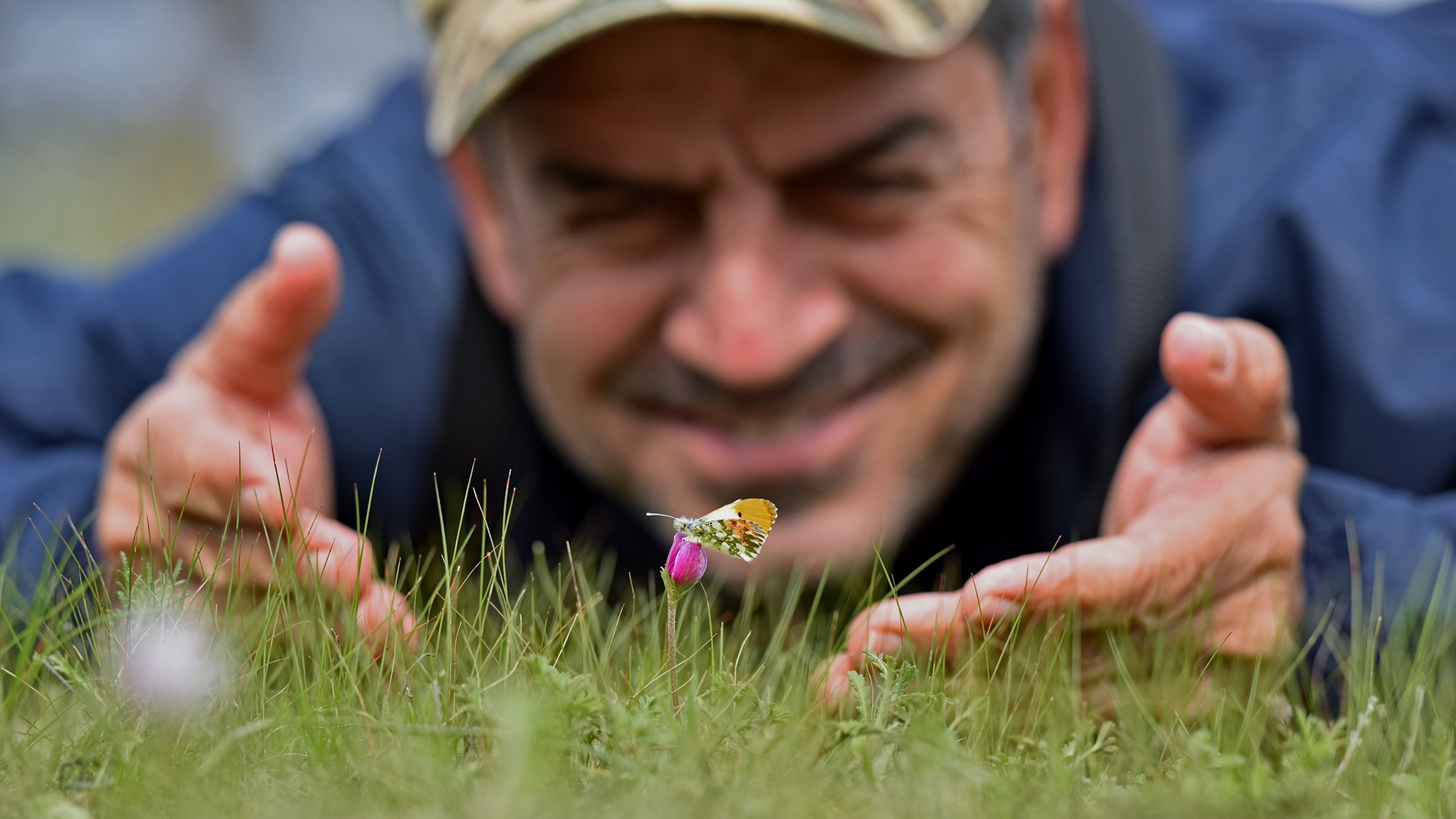
Hasan Baglar comes eye to eye with an Orange Tip butterfly resting on a wildflower, Nicosia, Cyprus. Image credit: Başar Taşlı
Encounters · Photography
In the alfalfa fields of Cyprus, a patient wait for a mantis to rise
Editor’s Note
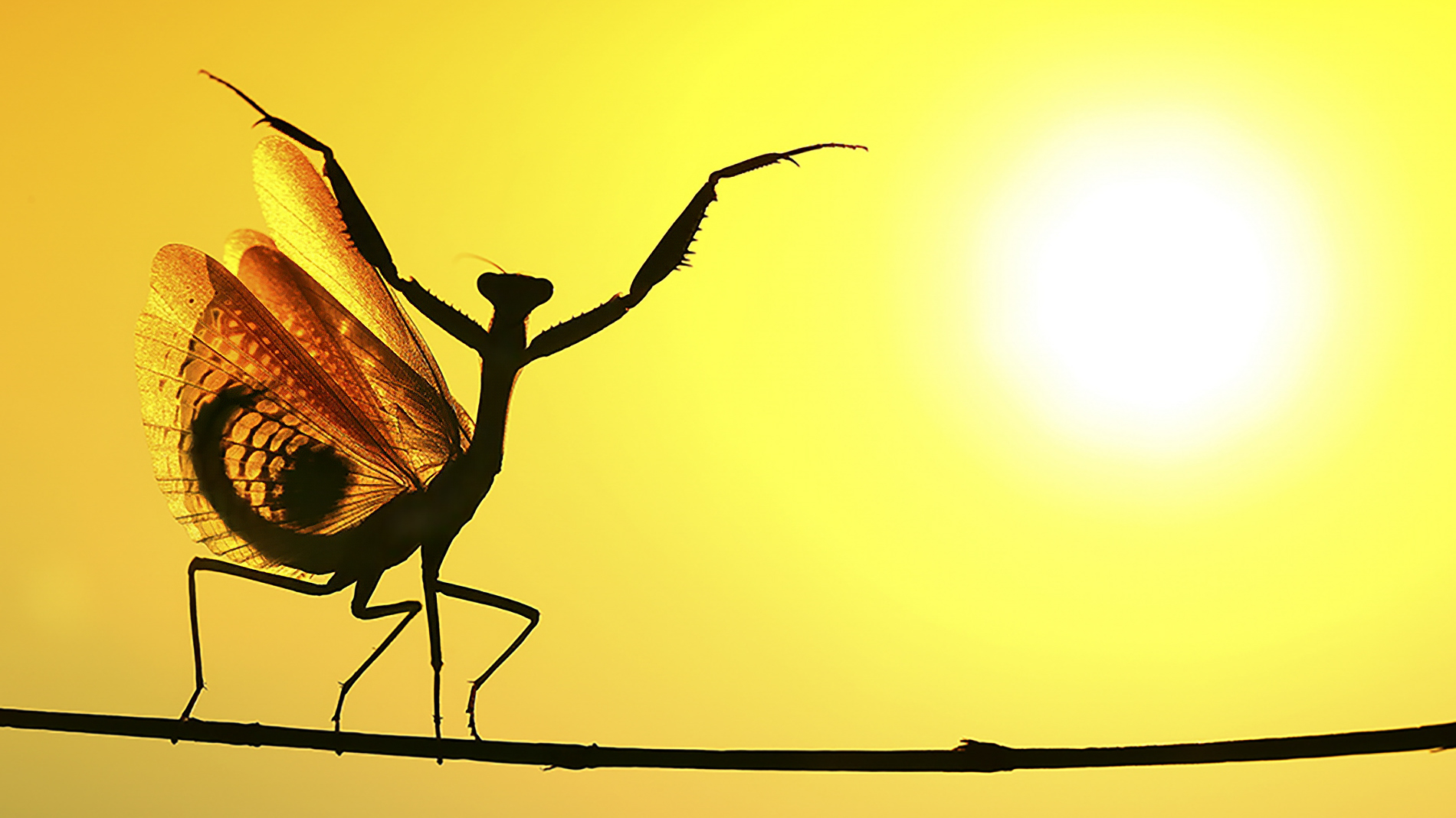
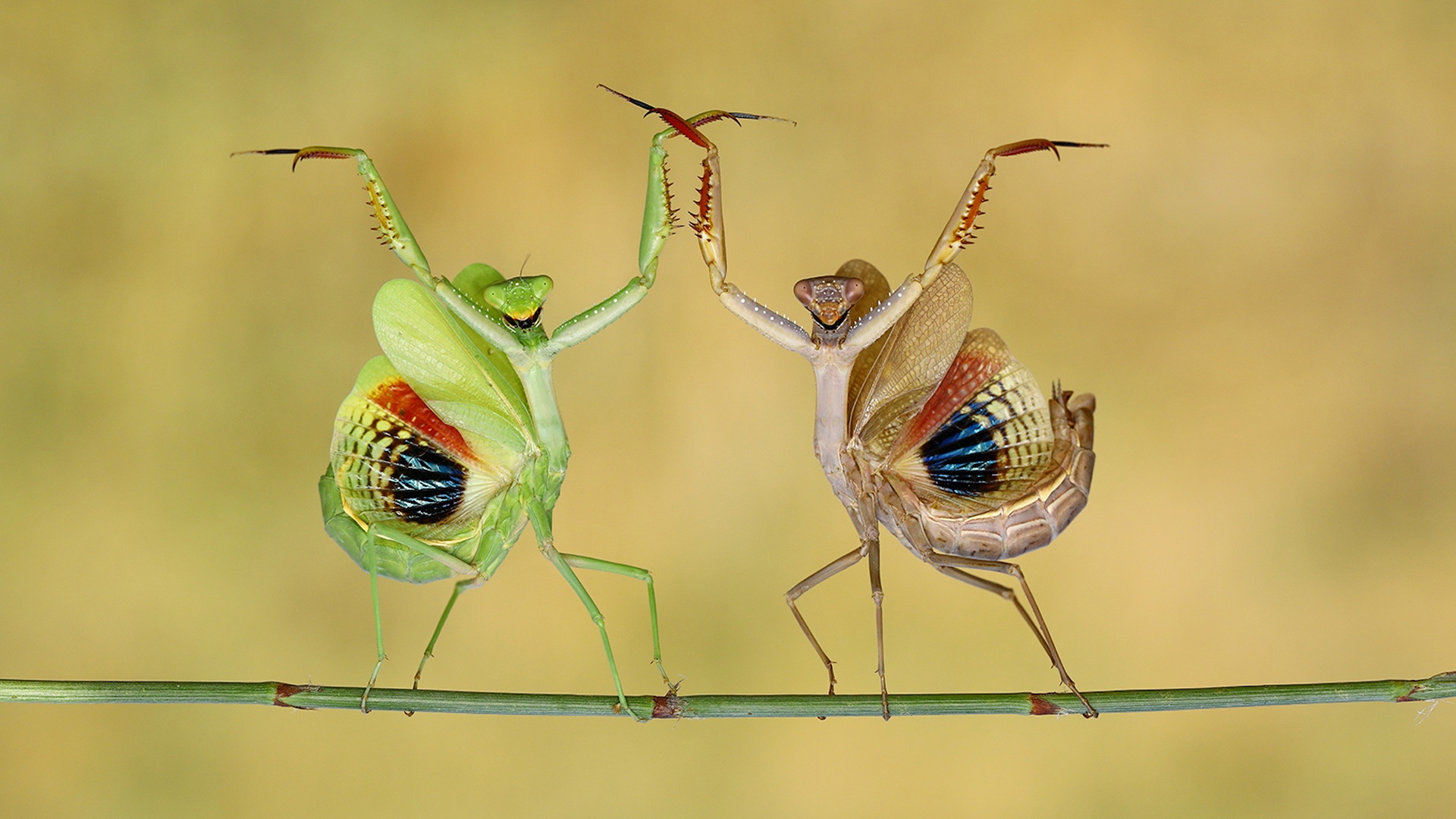
In the summer heat of Cyprus, the alfalfa fields around Nicosia are full of life: butterflies, insects, and mantises hidden so well they are almost invisible. For more than a decade, Hasan Baglar has returned to these fields, waiting for the rare moment a mantis rises up, wings flared and arms held high, in a pose that looks like a dance. His recent image “Zeybeks,” named for a traditional folk dance, won first place in the Macro category at the Berlin Photo Awards 2026.
Hasan Baglar
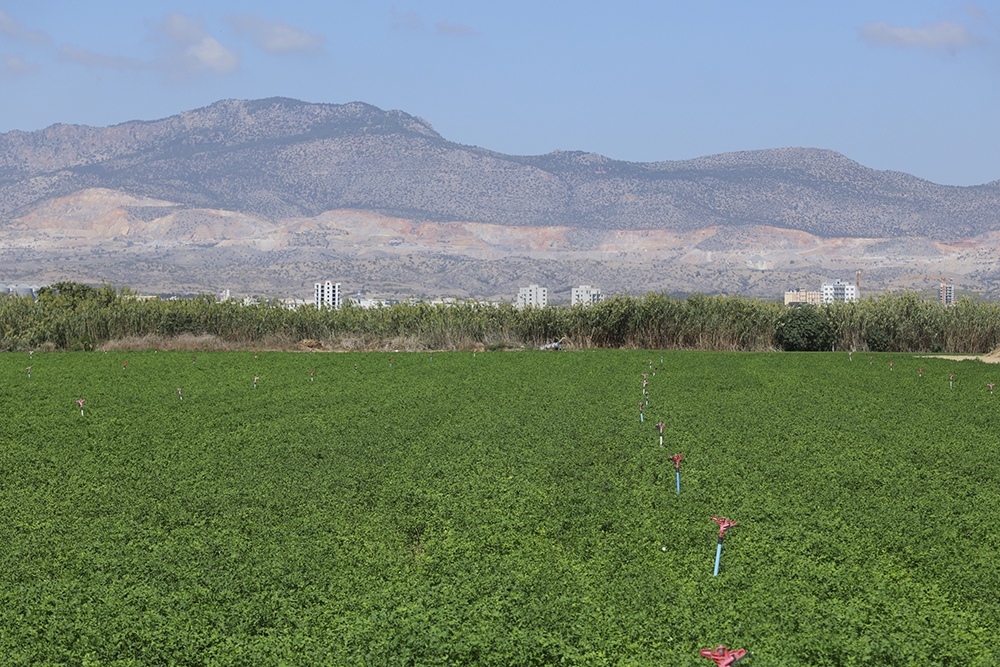
Summer months in Cyprus are extremely hot, with temperatures often exceeding 40 degrees Celsius, so we nature photographers find it challenging to shoot in these conditions. I generally try to take photos in the early morning or late afternoon, when it is cooler and the side lighting is effective. These times are also more productive because I watch butterflies as well. During the summer, alfalfa fields and their surroundings are places I often visit for macro photography. Biodiversity is high there, and while trying to photograph butterflies, I often come across mantises.
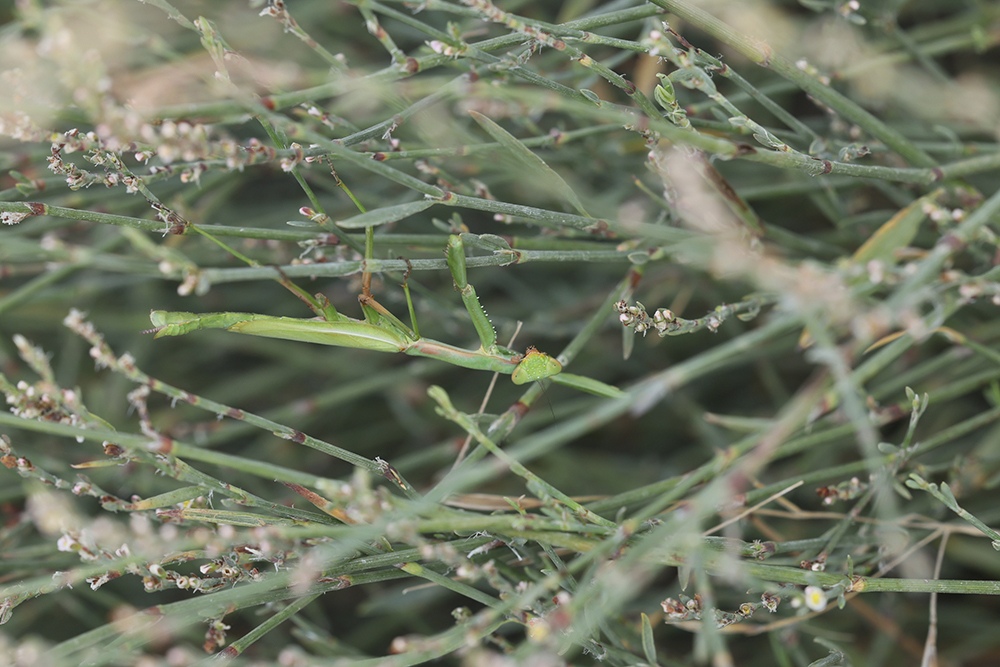
Mantises are masters of camouflage, and spotting them is quite difficult. However, the chance of seeing them is higher in areas with many insects, since they live there to feed on them. They are territorial and do not stray far from one place for long periods. Once I find one, I return to that spot again and again, sometimes for hours, days or even weeks, until I capture its best poses under good light and conditions. In short, I try to capture the perfect moment.
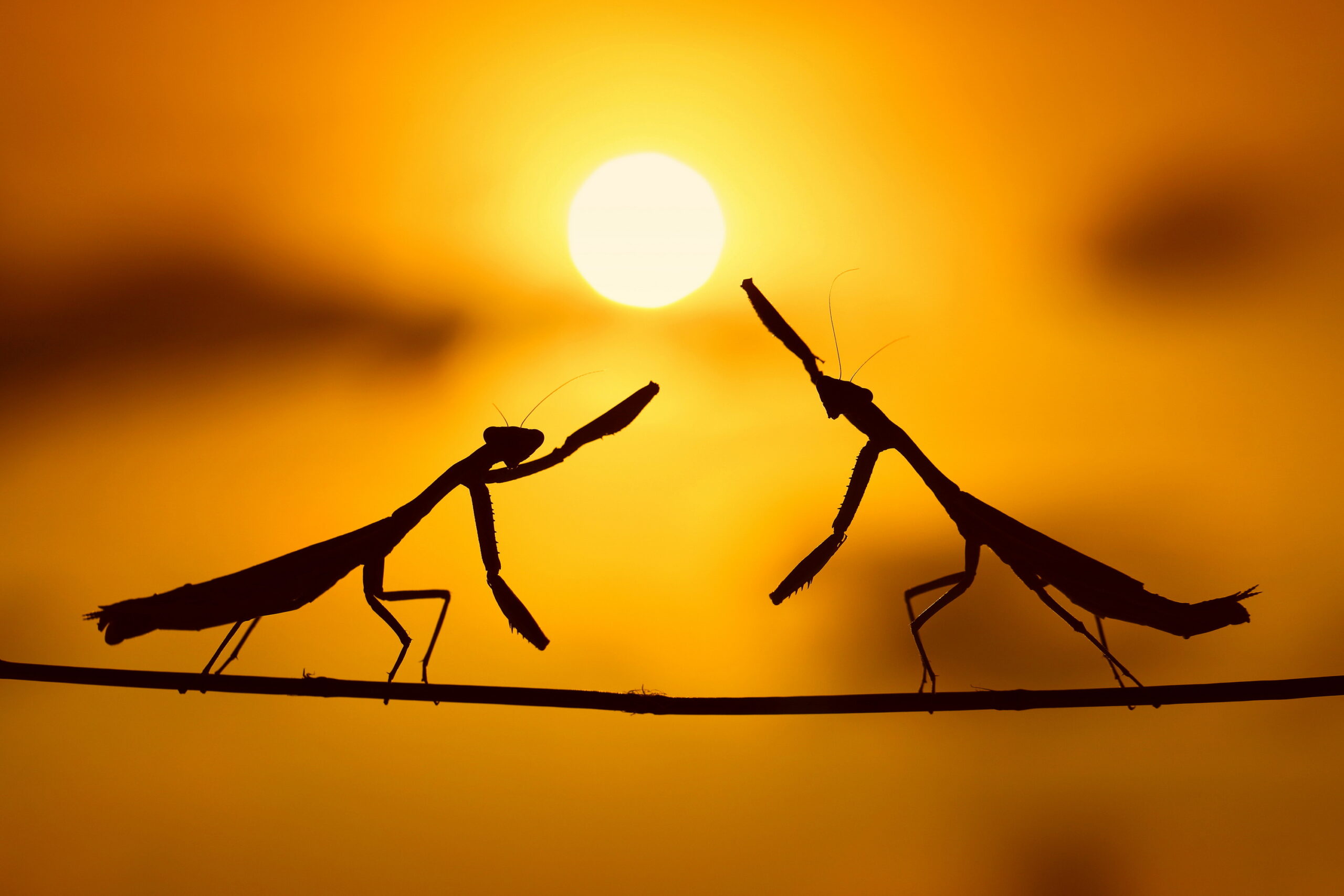
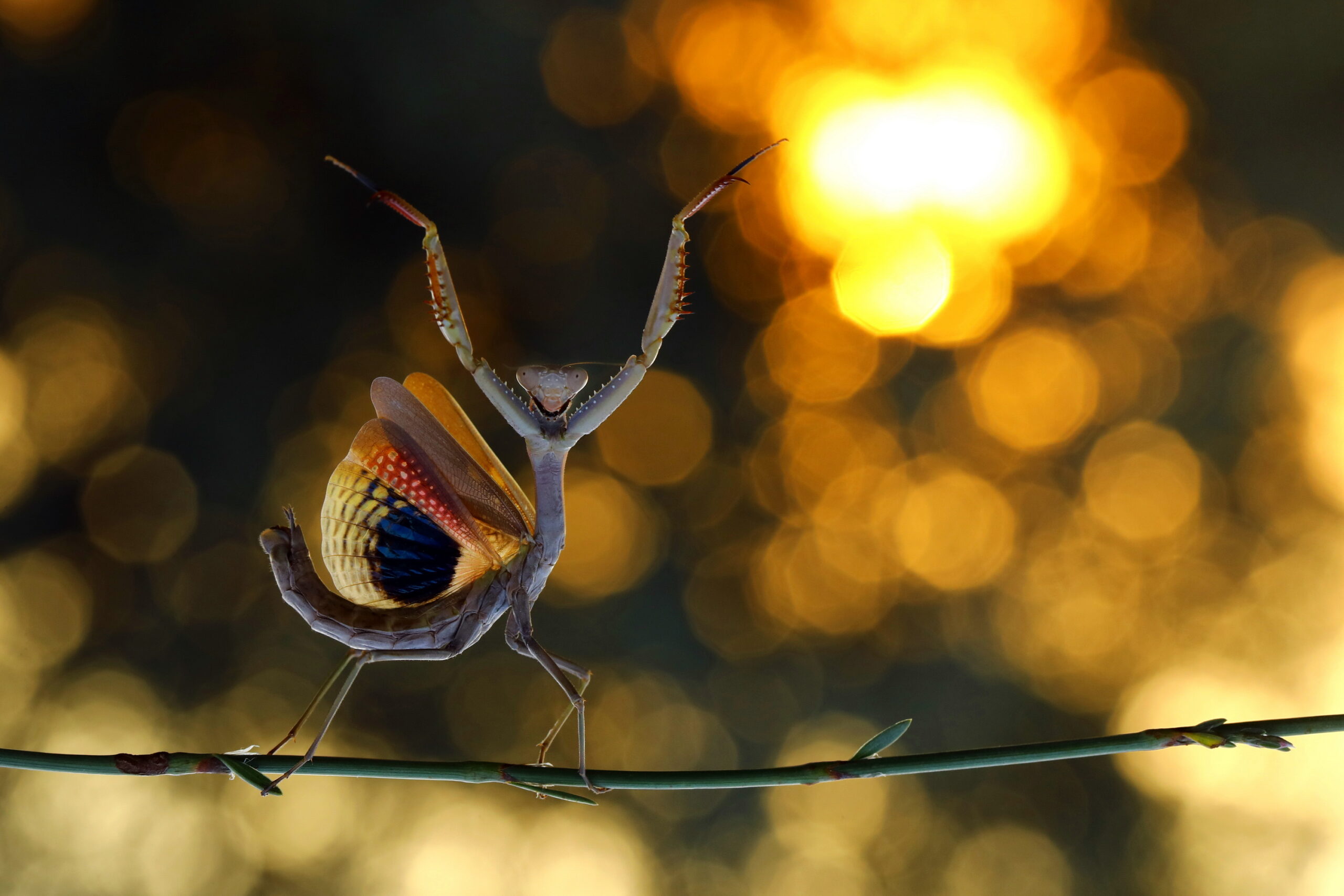
As for their behavior, it is entirely defensive, a survival strategy. They try to ward off enemies by appearing large and imposing. They strike this pose when frightened, for instance when I point my camera at them, when the flash goes off, or when I try to touch them. It does not happen every time; it is quite rare.
I remember the first time I saw this behavior. I could hardly believe my eyes. I was very excited, and my hands were shaking as I took the photos. I had tried to adjust its position by touching it on the branch, and it suddenly sprang into action. It was incredible.
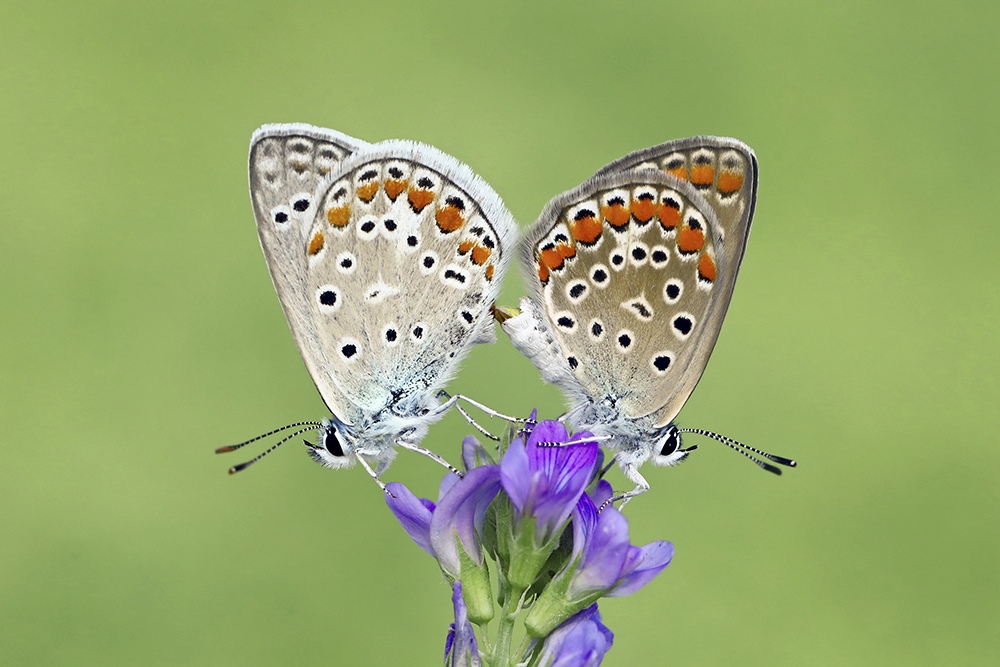
One of the main reasons I photograph these small creatures is that they are marvels of design, with details invisible to the naked eye. Their colors, shapes and patterns can dazzle anyone who looks closely. This is what draws macro photographers to them, and for me it has been a wonderful journey of discovery.
About the Photographer
Hasan Baglar was born in Limassol, Cyprus, in 1974. He played football for many years, and when he retired from the sport he felt a void in his life. Looking for something new, he bought a camera to photograph nature, and he has been doing so for more than a decade. At first his images disappointed him, but as he learned to understand light, camera settings and composition, his work steadily improved. He researches every butterfly, bird and insect he photographs, and over time his attention to nature grew until he could spot even the mantises hidden among the stems. A civil servant by profession and a keen butterfly watcher, he is the author of two books, Butterflies of Cyprus and Butterflies of Northern Cyprus. His photographs of dancing mantises have won numerous international awards, including first place in the Macro category at the Berlin Photo Awards 2026 for “Zeybeks.”