Rest Lightly, Like Unhurried Time
A Conversation with Stefano Balma
Conversation
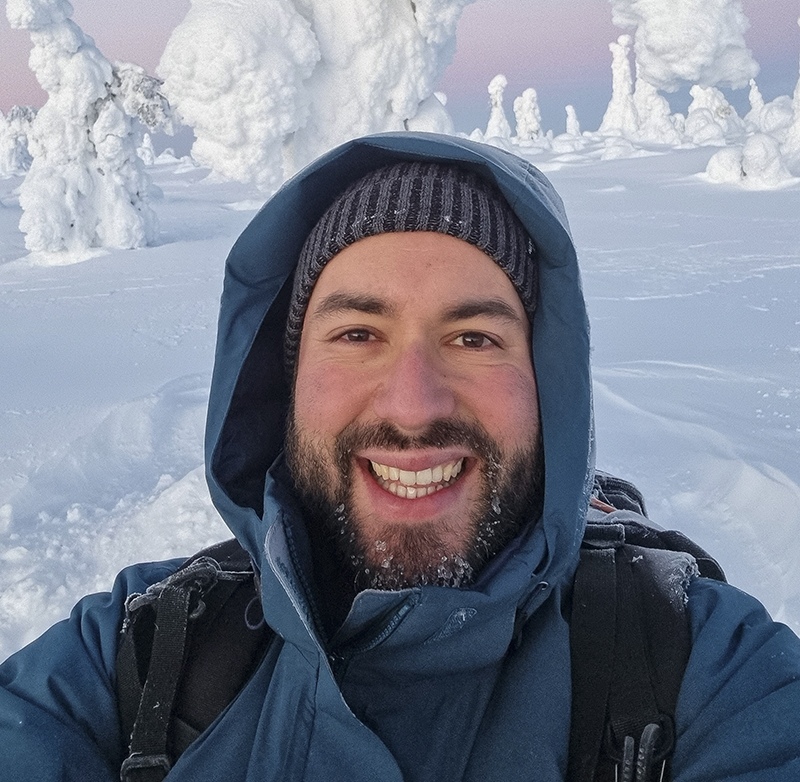
Stefano Balma I have always had great passions and an inexhaustible curiosity. As a child I loved to draw, but music was the fulcrum of my life. I was the vocalist of two heavy metal bands with which I recorded albums and played dates in many European cities. During the same period I practised competitive powerlifting and worked. It was a wonderful and intense time.
At twenty-six I gradually left all of this behind to focus on my studies, after which I moved to Genoa to live with the woman who is now my wife. There I happened to meet a Buddhist monk of the Chan tradition, who invited me to practise meditation. I began to practise it and to study Buddhism with great interest, and this profoundly changed the way I saw things. I have always been fascinated by themes such as spirituality, philosophy, and anthropology.
Photography arrived when I started travelling with my wife. I thought a camera would allow me to preserve and enrich those experiences. After our first trip, to Morocco, the pandemic came, and I took advantage of the period of lockdowns to study technique and composition. It was then that I truly fell in love with it, above all when I understood that it could be far more than a tool for documenting a trip: it could become an artistic language, a way to express myself, something that has always been, for me, essential.
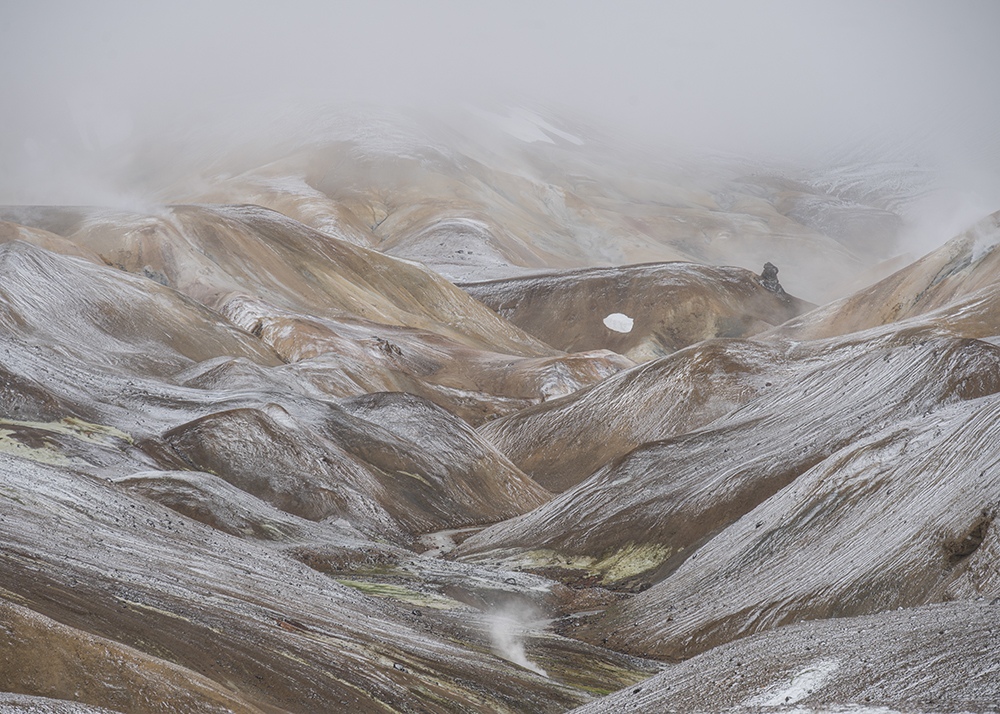
Stefano Balma The Beigua project is the first I developed entirely within my own region. What I could find only there was a total familiarity with the territory: the possibility of living it at my own pace, of returning whenever I felt the need, without the spectre of a return flight forcing me to leave. For me this is an extraordinarily precious condition, because it allows one to build a deep connection with places, both in the planning of images and in the understanding of the sensations they evoke. When travelling it is hard not to develop an almost predatory approach toward a place, and this, for me, represents a limitation.
The work on Beigua changed shape many times, precisely thanks to the level of familiarity I had developed with that territory and, above all, with myself. It radically transformed my way of photographing, both stylistically and conceptually.
It is a park that is difficult to tell through images. It does not offer the spectacular panoramas of high mountain landscapes, and its forests are intricate, almost disorderly. It is a place that reveals its personality slowly.
At the beginning it was simply a photographic training ground. Then, one day, a sudden fog made me lose my bearings. The sound of branches moved gently by the wind and the passage of banks of fog among the silhouettes of the trees had a particular effect. The emotions I felt were not coherent with the fact of being lost.
That experience compelled me to ask myself certain questions, and I returned to Beigua with a different intention: to understand it.
I believe the theme this project addresses is universal: in what way does landscape influence us? This question, apparently simple, can engage anyone with the curiosity to better understand themselves and what surrounds them.
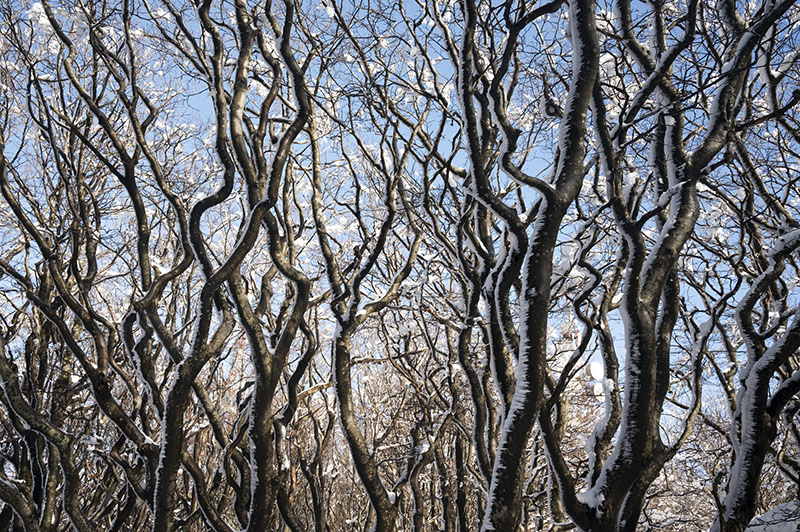
Stefano Balma Writing was a fundamental tool for finding clarity. It was warmly recommended to me by Valeria Pierini during a wonderful period of study I undertook with her. The task was to put down in black and white everything I considered important or worth exploring further.
Most of the notes I wrote directly on location. I jotted down a few words, brief phrases, questions, or intuitions. Almost as a game, I tried to transform them into verse. I found it very enjoyable and developed a taste for it. I also used the Caviardage method on longer notes.
Writing grew alongside the project and, little by little, became a space of research running parallel to photography. Some intuitions took shape in images, others found their voice in words. Both contributed to making sense of the experience I was living.
I do not know whether verse will accompany my future work as well. I know, however, that since then, writing has become a permanent part of the way I do research.
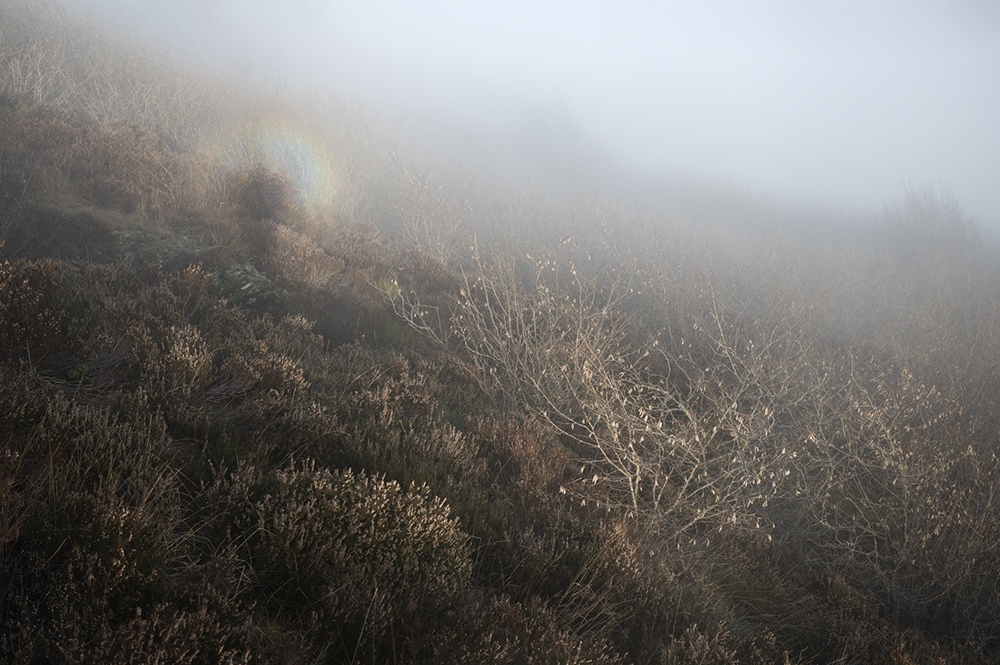
Stefano Balma I realised it only once the work was finished. During the project I was not reflecting on the relationship between the two languages; I was simply trying to follow what the territory suggested to me.
There are three aspects of this work that influence one another: photography, writing, and research. The study of the territory and its history gave me certain interpretive keys that inspired me greatly; this influenced my gaze, which in turn influenced what I wrote, and so on.
I believe each language has its own rhythm. Photography confronts itself continuously with the instant, even when it tries to evoke something broader. Writing, on the other hand, obliges me to slow down, allowing me to linger longer on an intuition and follow its developments. It is perhaps for this reason that many of the verses seem to traverse time more than the photographs do.
Images and words were born from the same experience, but the pace at which they move through it is different.
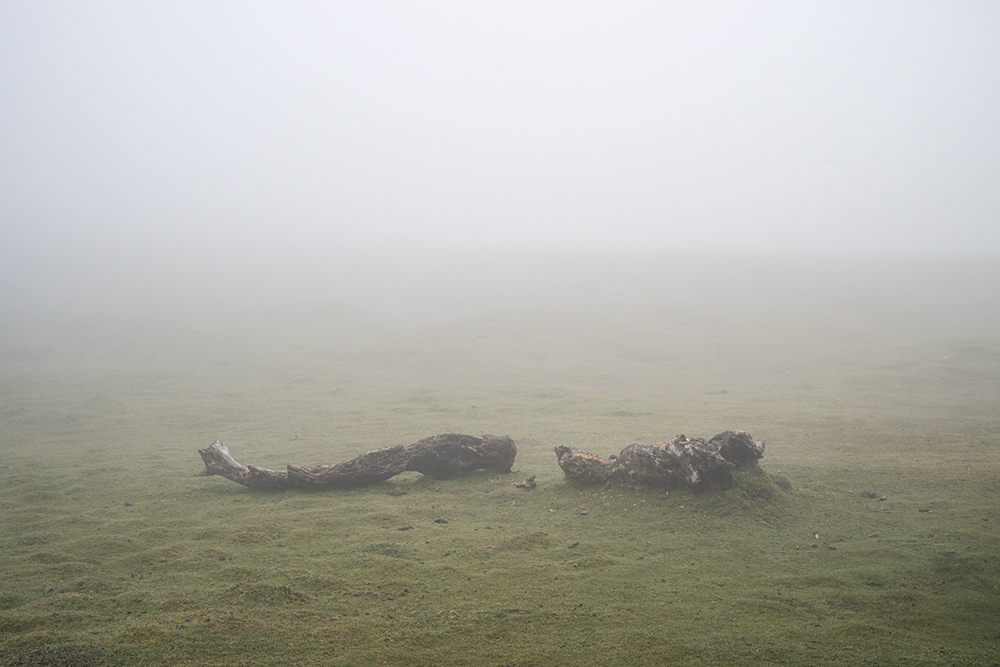
Stefano Balma It is a somewhat complex question. Our ancestors had a relationship with nature far deeper and more conscious than our own. They knew the territory as they knew themselves. They were the territory and the territory was them.
I explored the archaeological dimension of the area precisely in an attempt to understand how these communities perceived what surrounded them. The engravings I studied are sharpening stones dating to the Middle Neolithic, and their function had both a practical and a ritual component.
The fundamental aspect, however, is the choice of locations where these engravings were made. They are always found in contexts with very precise characteristics, indicating a certain rigour in their selection. This fascinated me deeply.
I intentionally excluded images of the engravings from the selection, even though many photographs were taken in their immediate vicinity. Knowing their history changed the way I move through Beigua and, inevitably, the way I photograph it.
The project, however, does not set out to demonstrate that Beigua is truly a liminal place. It is a reflection on how landscape is perceived and experienced, and on how this has always shaped the way we look at the world.
Stefano Balma My interest in certain philosophies, such as Buddhism and Taoism, profoundly influences my gaze and my way of thinking.
Impermanence is the intrinsic condition of all things. Everything that manifests itself sooner or later ceases to exist. For this reason I interpret landscape as a process, something living and dynamic, just as sensations and emotions are.
Observing how every phenomenon is born, transforms, and dissolves helps me to confront the most delicate of all themes: death. How do we face it?
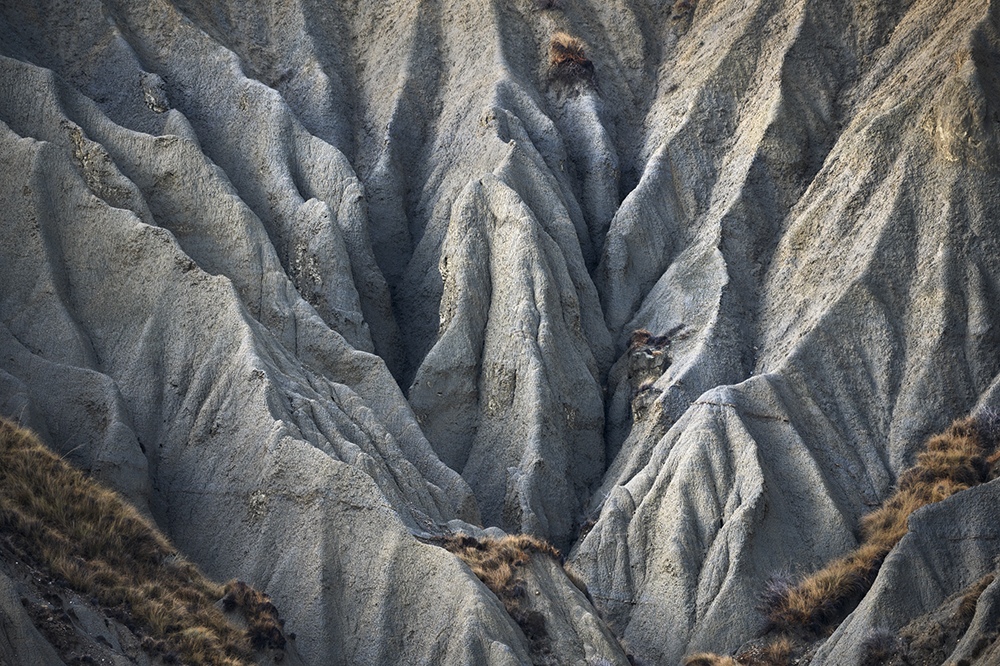
Stefano Balma What draws me to these places is silence. Silence helps me to clear the mind of thoughts and tendencies born of the hyperactivity and anxiety that society instils.
Initially I associated these places with purity, an association I now find in certain respects misleading and limiting.
In recent times I have been reflecting a great deal on the idea we have of nature and on how it is so often associated with an escape route. In reality nature is a place that is frequently dangerous, at times terrible, and not a sanctuary of purity and peace. It is thanks to an almost total humanisation of nature that we are able to experience it in this way.
One must be honest: many places we consider remote can be visited quite comfortably by anyone with a degree of adaptability. Thanks to human intervention, true wilderness has almost disappeared, and many places we regard as remote have been shaped by millennia of human activity. The tendency today is to take refuge in nature when life becomes too stressful, with the risk of further humanising these ecosystems, transforming them into little gardens for our relaxation, saturating and compromising them still further. This is simply my own thinking, not a judgement.
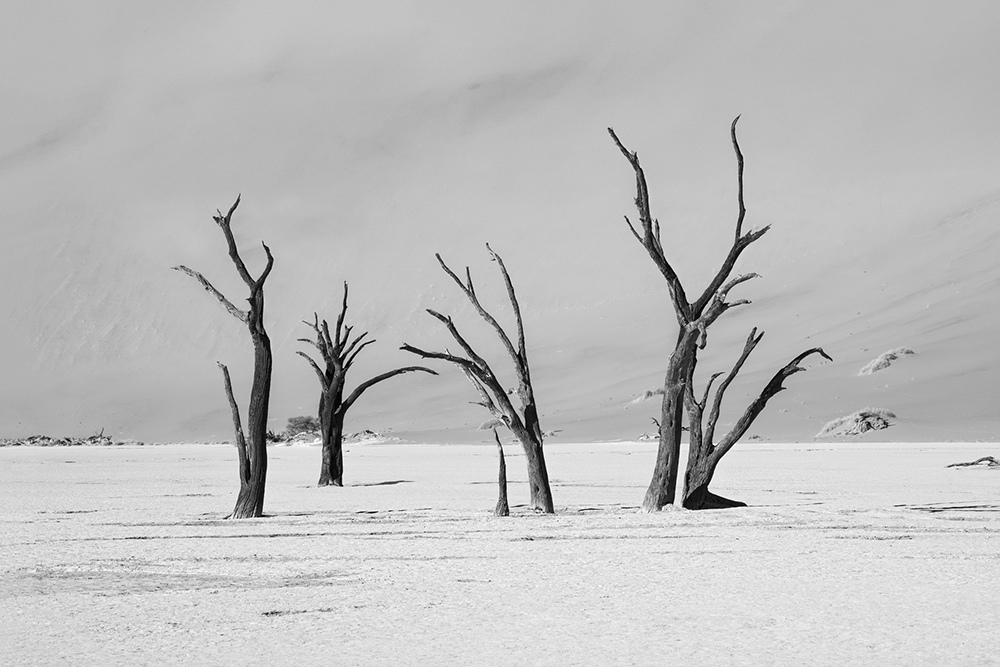
Stefano Balma It is a million-dollar question. Some time ago I read a book that shook me deeply, Artico nero by Matteo Meschiari. It is about the colonialism of the Arctic. It called into question everything I had done photographically up to that point, especially in Greenland.
Many authors speak of photography as an intrusive and violent act. Others describe it as a new form of colonialism. Most photographers prey on the places they portray, then display the images as trophies. For these reasons, today I find it difficult to take photographs for their aesthetic value alone.
On the question of ethics I ask myself this: what can I do, in my small way, for the subject I am photographing? And it is a question that will probably continue to accompany every project I undertake.
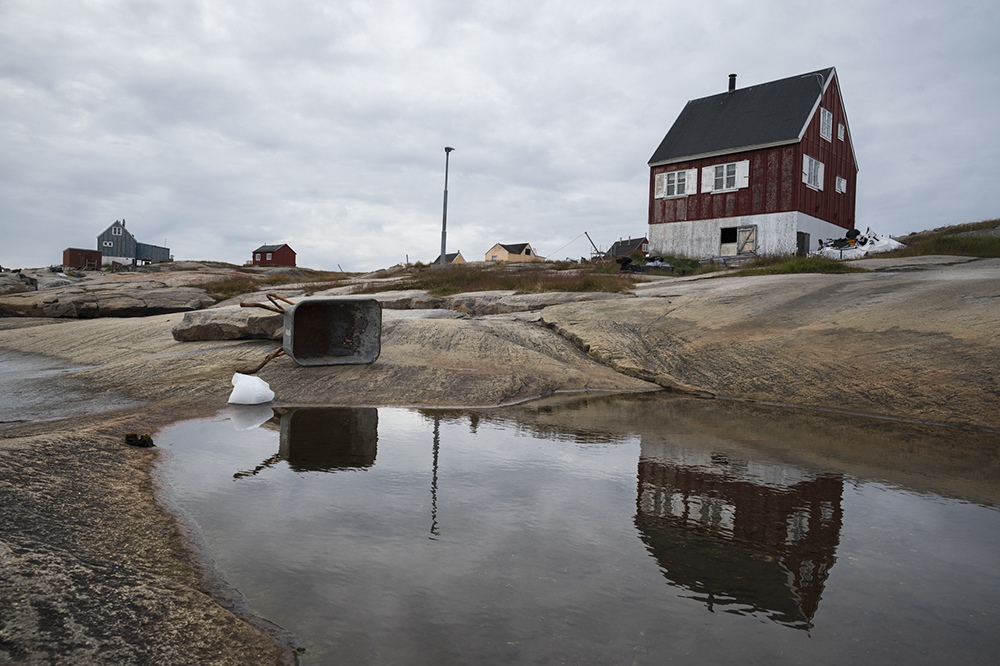
The series on Oqattsut is a first tentative attempt to give back something of what that village impressed upon me, while also telling a little of the Greenland that many prefer not to see.
Stefano Balma I believe teaching is always bidirectional. I teach technique and composition; they share with me their impressions and reflections. At times it is demanding, but it gives a great deal.
On this subject I suffer a little from impostor syndrome: I have been photographing for only a few years and I continually question what I do. What I teach today will probably be different from what I teach tomorrow. For these reasons, teaching is an activity I have never pursued or tried to expand, also because photography is not my profession and I prefer to cultivate it from an artistic standpoint.
My first teaching experiences came through people who contacted me asking if they could join me on photography outings. Later, a collaboration began because I signed up for a photo tour in Iceland. I wanted to understand how a photography trip worked in order to apply that knowledge to my own personal travels. I told the tutor I was there to steal his trade. I asked him an endless number of questions throughout the entire trip. This made an impression on him and we stayed in touch. It was a memorable trip. A few years later he contacted me because he was looking for a collaborator, and I accepted with enthusiasm.
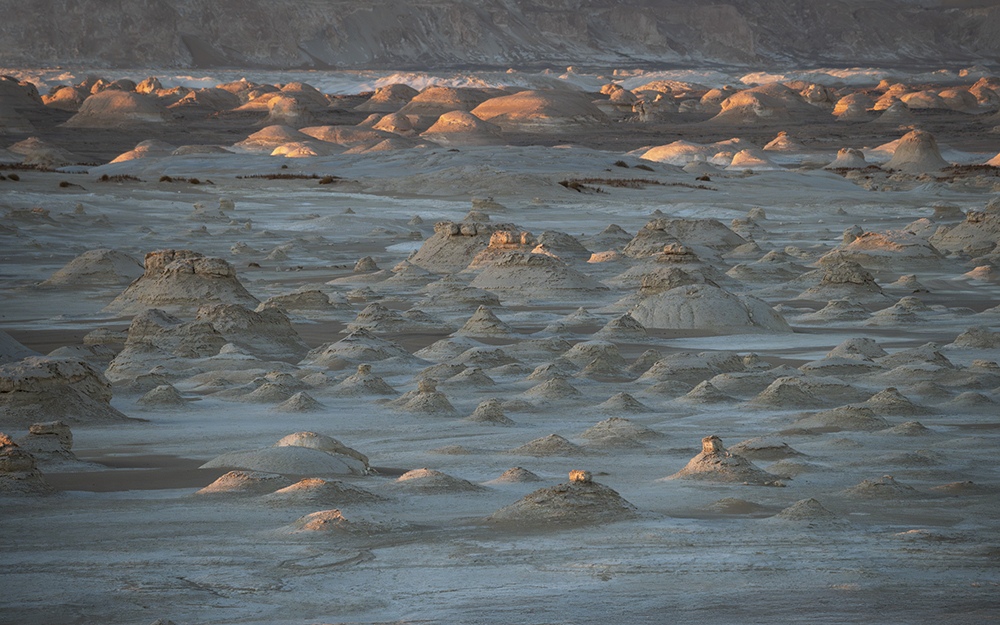
There is a verse near the end of the Beigua project, “rest lightly, like unhurried time,” that reads differently once you know the path that led to it. A heavy metal vocalist who became a meditator. A competitive powerlifter who learned to wait for fog. A traveller who stopped to photograph his own backyard and found that it was, in some sense, the furthest place he had ever been.
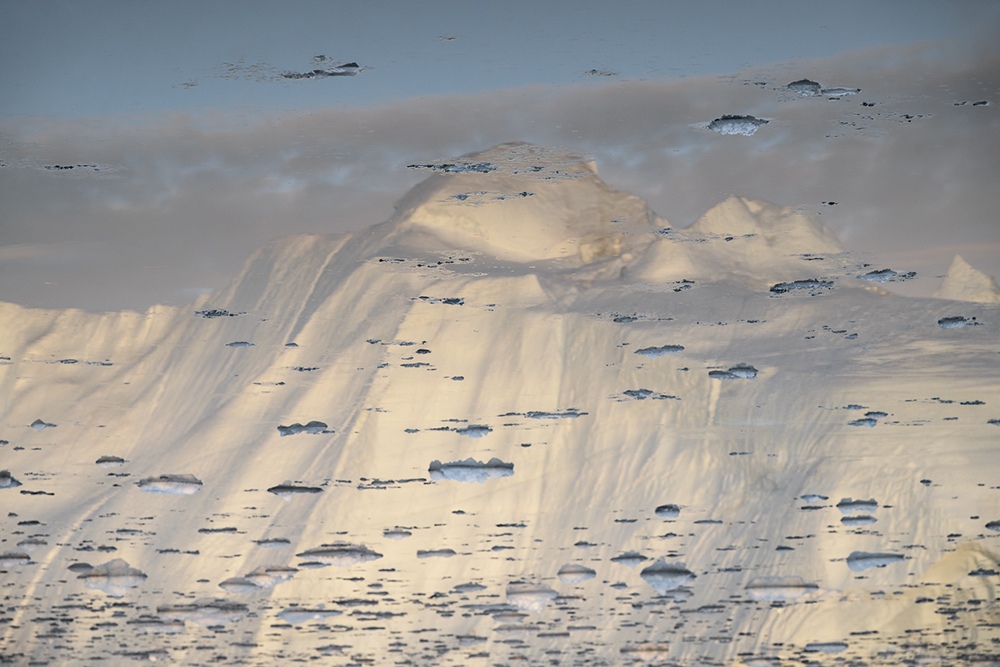
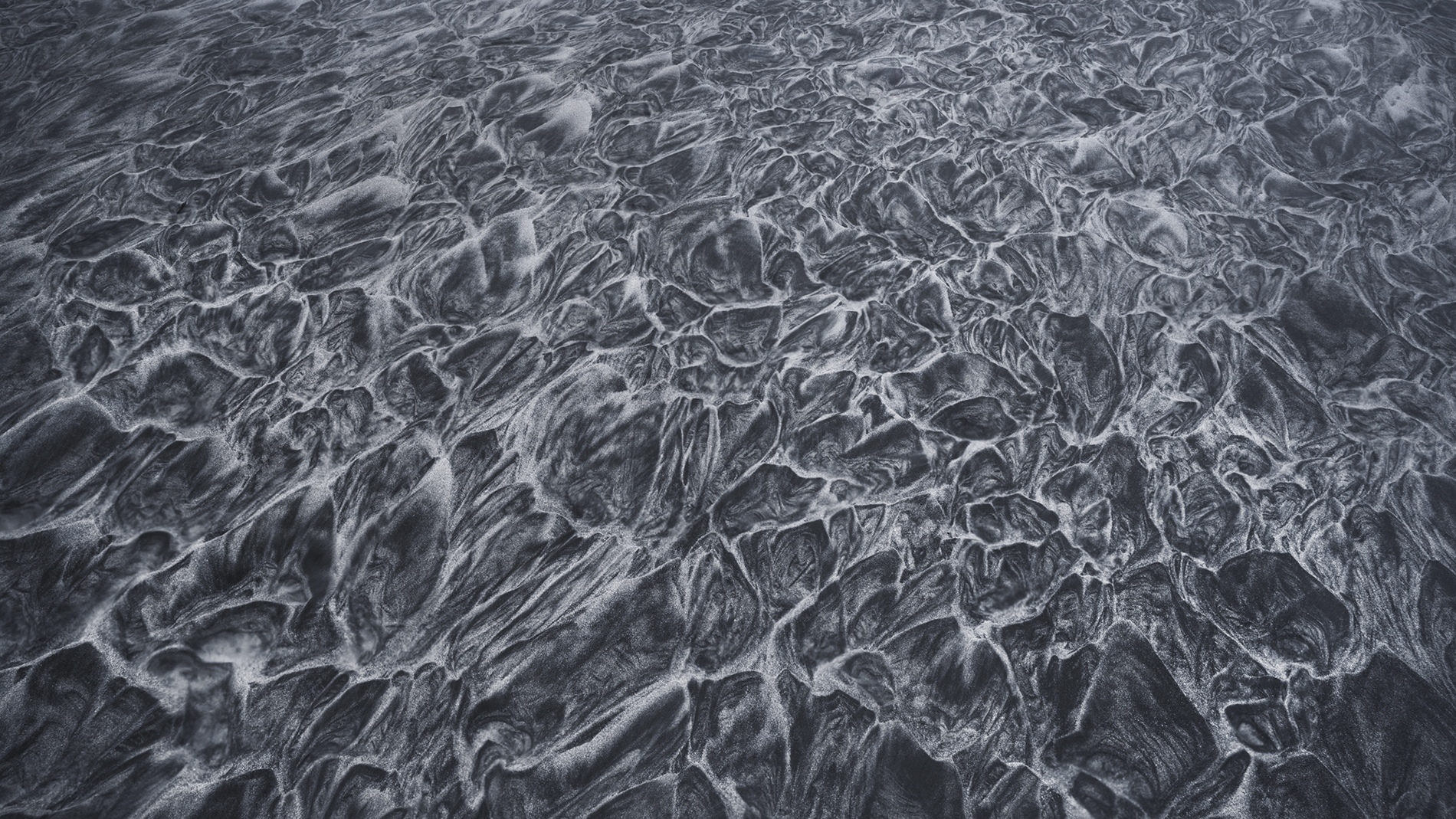
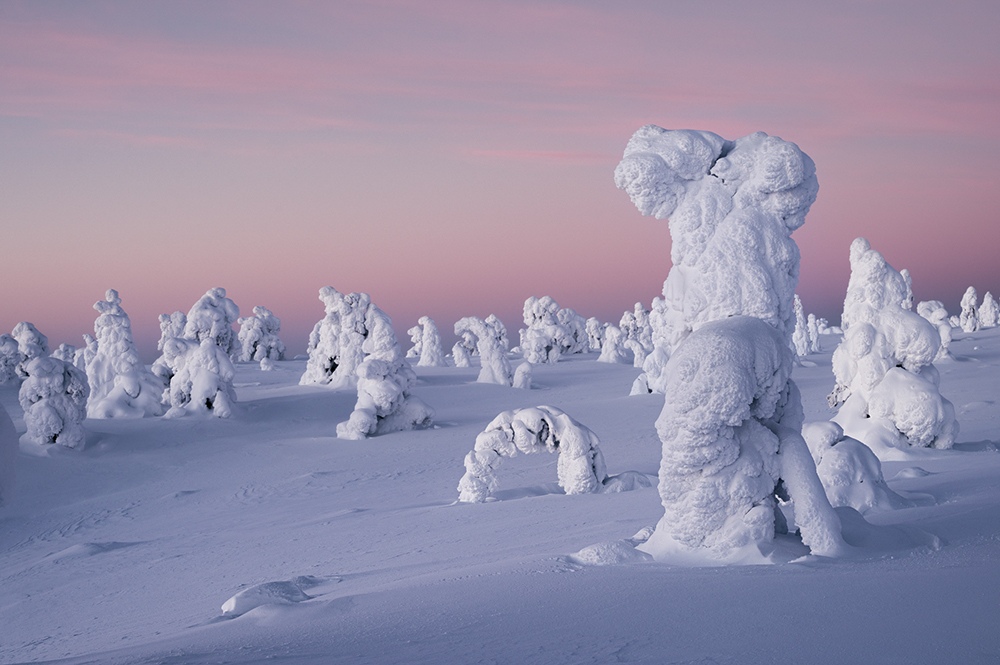
The photographs in this piece were made over multiple seasons in the Ligurian Apennines. The verses were made alongside them. Together they are an attempt, as Balma writes, not to resolve the experience of Beigua but to dwell in it long enough for something to become visible.