
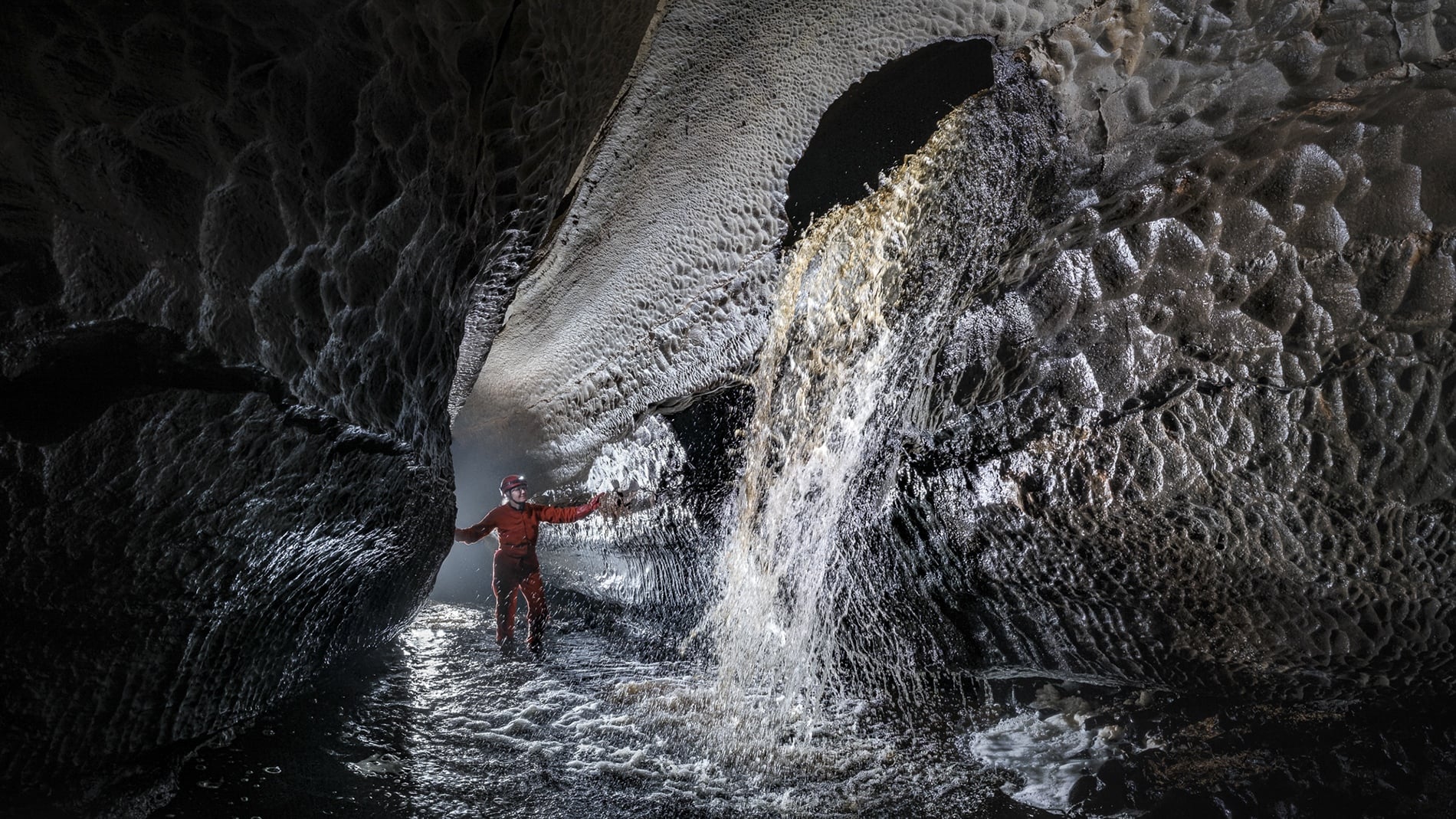
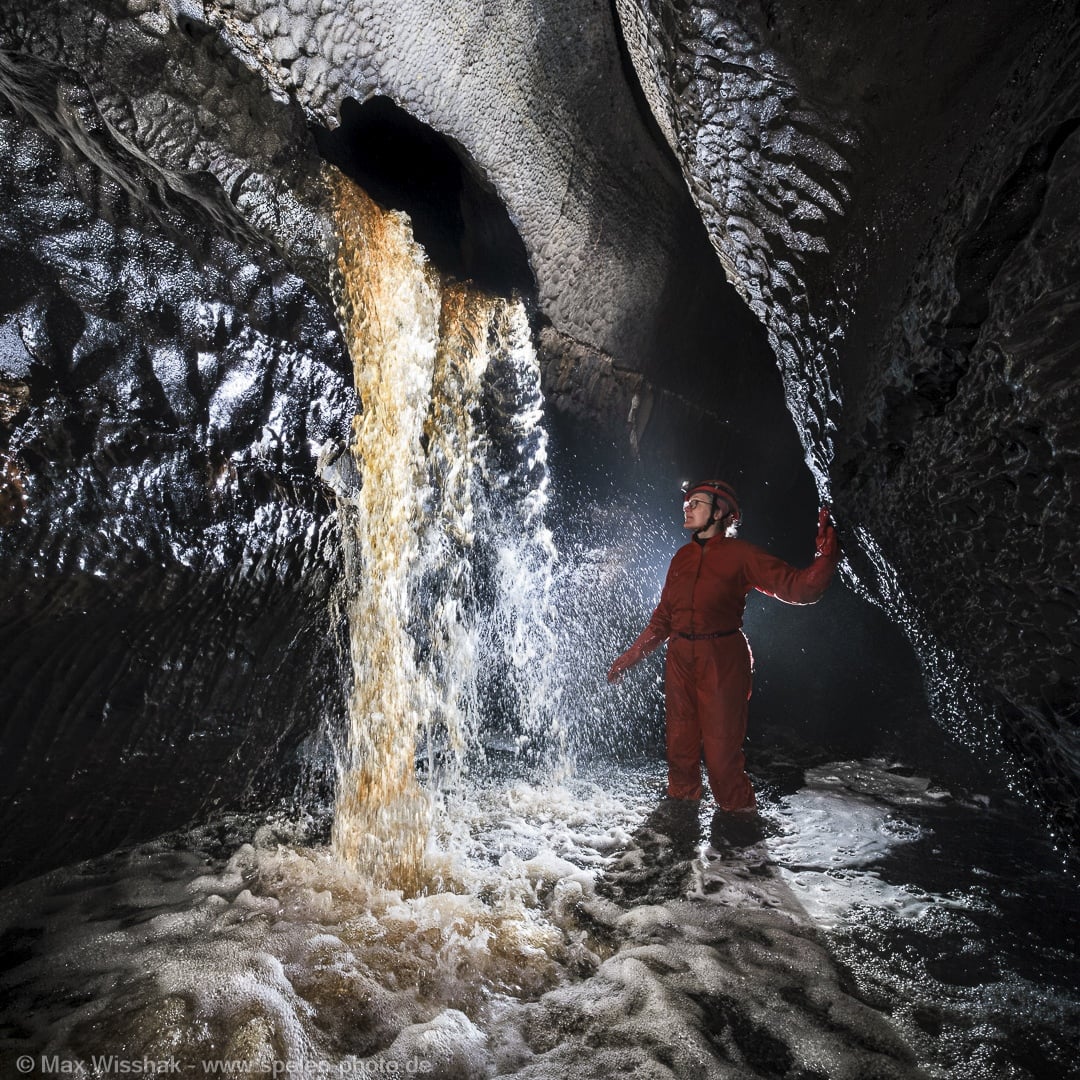
Close to the plunging water, from the other side of the cascade · © Max Wisshak
Encounters · Photography
Deep in Ireland’s Burren karst, after days of rain, a waterfall pours through a window in the rock.
Underground Waterfall
We are wading through an underground stream in Ireland’s Burren karst, the water reaching our knees. The cold doesn’t bother us. We’re wearing wetsuits beneath our caving coveralls. The water is clear but reddish brown, coloured by humic acids from the upland bog that feeds the stream. The dark grey, almost black, limestone walls are covered in countless scallops, scooped out by small eddies in the turbulent water that carved the passage. The canyon meanders downstream, bend after bend. The rushing water and our curiosity draw us deeper into the cave.
We’ve come to photograph an underground waterfall. We hear it long before we see it, a low rumble that grows louder with every bend. By the time we reach the fall, the roar is echoing off the canyon walls. We feel it in our guts as much as we hear it.
The cascade is even more impressive than we had imagined. It pours out of an oval opening a few metres up the wall on our right. The water takes a shortcut through this window from a side canyon. To reach that canyon ourselves, we would have to go farther downstream and climb up a passage that is now dry.
Today the waterfall is in full force. It has rained for several days, and what can be a gentle trickle is now a thundering cascade. The rain stopped yesterday, so we could enter the cave safely, with no further rise in the water level expected. (Some caves in the area can quickly flood to the roof!) The words of the local caver who first told us about this cave are still ringing in our ears: “The cave needs some water to come alive!”
He was right. To me, an underground waterfall is more impressive than even the most beautiful dripstone formations. I want to capture some of what it feels like to stand here for the book I’m working on about the Burren karst. So we turn our attention to the photographs.
I work out where to place the radio-controlled flashes, and we gather to talk through the plan. Angela will approach the waterfall from behind. Stephan will use two flashes to provide the backlight from just out of sight around the next bend. I set a third flash on a small ledge on the left wall to bring out the red of Angela’s coverall. A few gestures are enough to get everyone into position, and I capture the shot I had in mind.
We try another angle from the other side, close to the plunging water. We have to work quickly in the spray. I leave the lens cap on until the last moment. We get that shot, too!
But what would the waterfall look like from above? Angela and Stephan stay in position while I climb up the side canyon to reach the window from behind. The opening is small, and I can’t get far enough out to look straight down. Perhaps I can get the camera there using a little trick. I fit an ultra-wide-angle lens and set the camera to take pictures at intervals. Then I fold the tripod legs together and grip them like an extension of my arm. Kneeling in the water, I ease the camera out through the window as far as I can. The camera and flashes fire again and again as I shift the tripod, hoping one of the frames will be the shot I’m after. And it is!
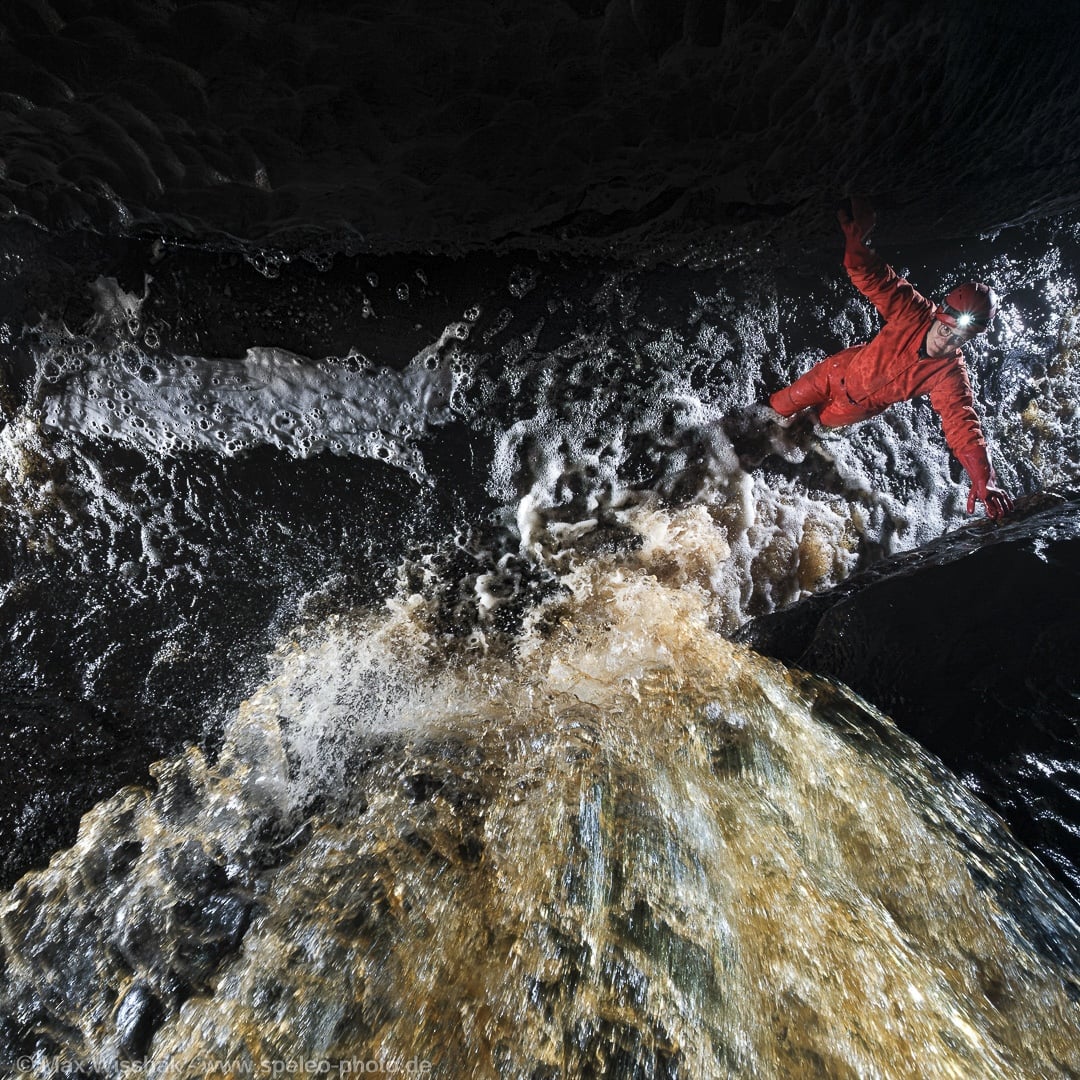
A feeling of deep contentment fills me. Today, not only is the waterfall in great flow, but my photography is too!
About the Book
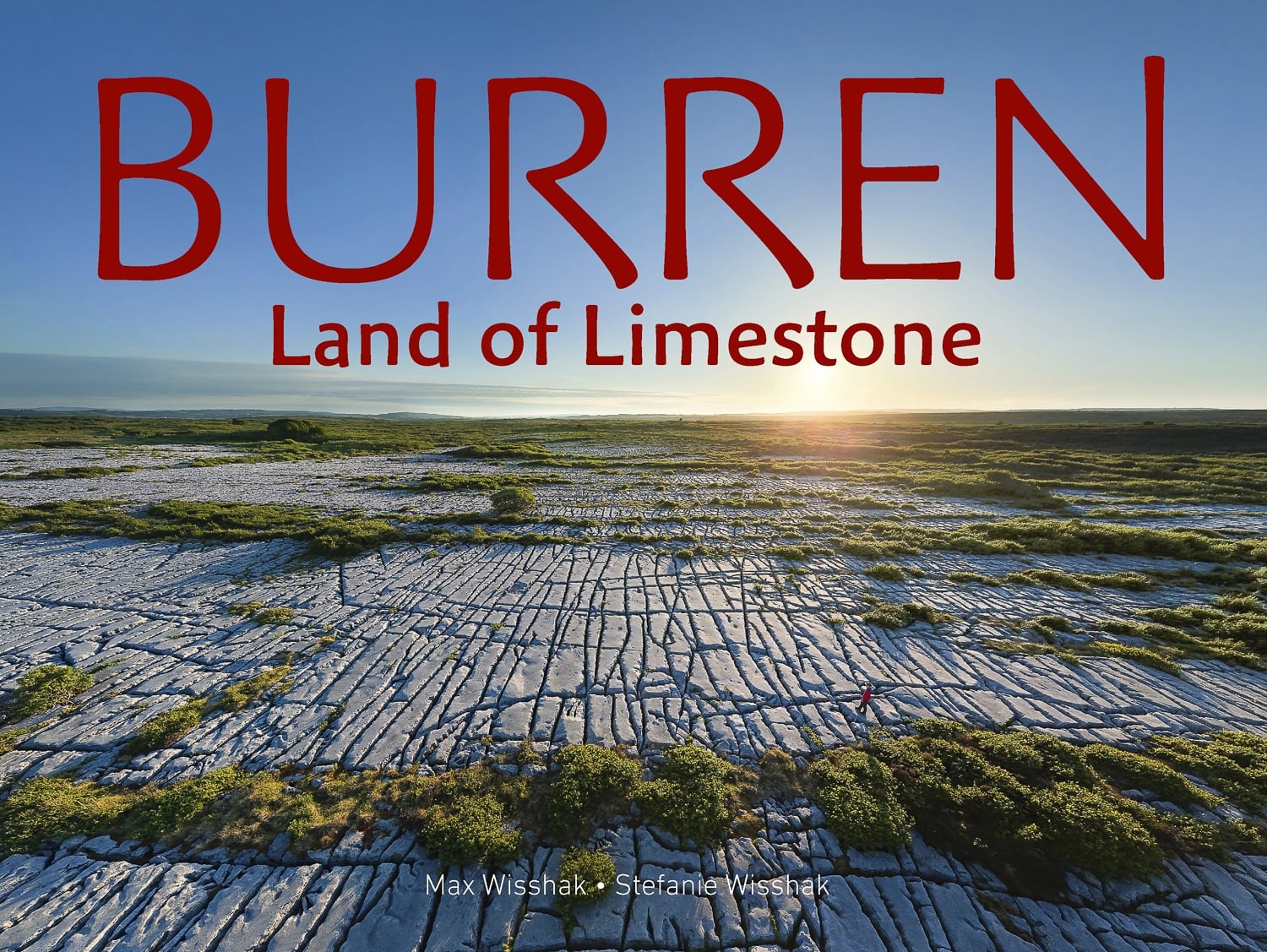
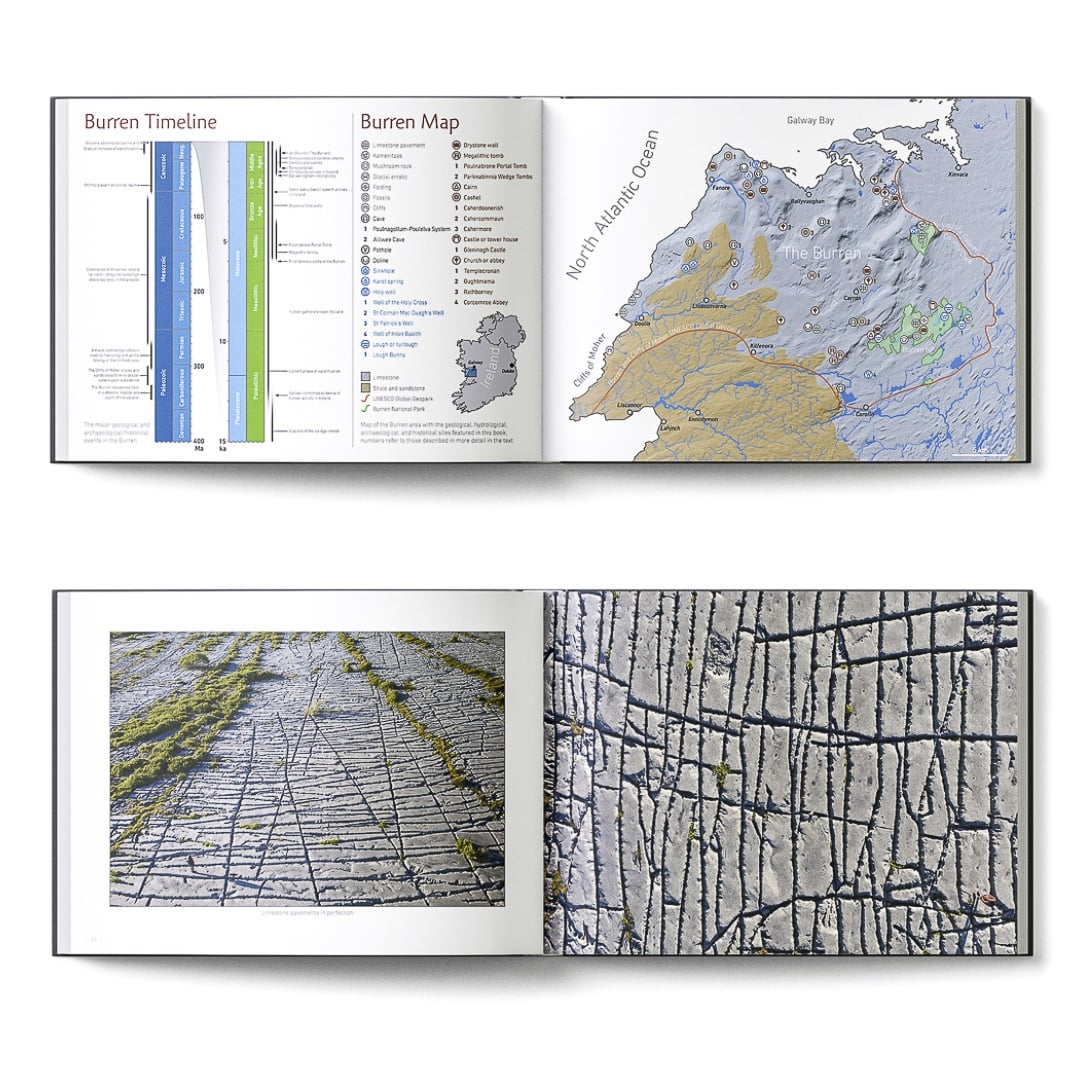
Burren: Land of Limestone, by Max Wisshak and Stefanie Wisshak, explores the Burren karst landscape, from its limestone pavements and ancient monuments to the caves beneath.
Book ·
www.speleo-photo.de/books/burren
Instagram ·
@speleophoto
Facebook ·
max.wisshak