
The Story Remains Even When the Photograph Doesn't
Carolina Aravena Costa on Memory, Loss, and the Moments a Photograph Can't Hold
The Conversation
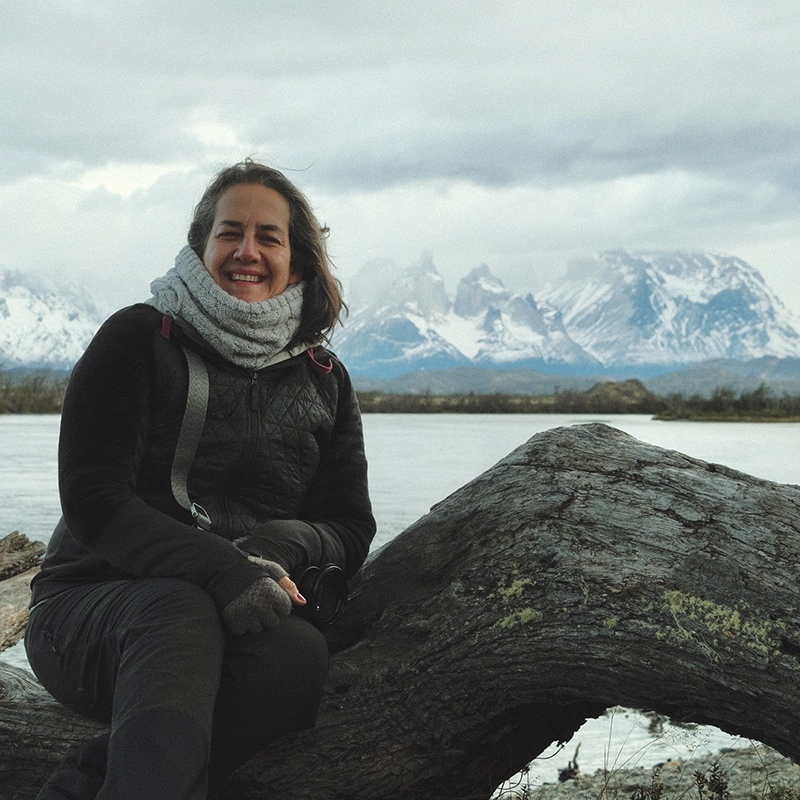
Carolina Aravena Costa To be honest, I don't remember that time very clearly. It was many years ago, and I have a terrible memory, so it's hard for me to go back and remember exactly how I felt.
Up until then, my relationship with nature had been very limited. Then, suddenly, I found myself spending time walking through hills, forests, and wetlands. I realized those places gave me a sense of peace and calm that I hadn't found in my everyday life.
It also happened during a different stage of my life. My children were older, and for the first time in many years, I could go away without feeling the guilt that so many mothers experience when they do something for themselves. There was a sense of freedom that felt completely new to me.
Everything was a discovery: birds, landscapes, animals, and places I didn't even know existed. I met people who had been photographing nature for years and saw the passion they brought to every trip, every species, every destination. That enthusiasm was contagious.
Then came photography itself. I loved the challenge. Photographing birds isn't easy when you're just starting. You must wait, make mistakes over and over again, and accept that many photographs simply won't work out. Strangely enough, that was part of what drew me in.
It wasn't something I had been consciously looking for. It simply appeared at a moment in my life when I needed to discover something different. And I ended up finding an activity that, even today, continues to make me genuinely happy.
Carolina Aravena Costa It wasn't obvious at first. When I started taking photographs, I never thought I was reconnecting with anything related to my father.
That connection only appeared years later, when I decided to digitize all the film rolls he had kept throughout his life. As I went through those photographs, I began to remember that he was always carrying a camera, documenting family moments.
He never taught me photography. In fact, I didn't learn anything technical from him. But I did grow up watching him observe the world through a camera. It wasn't until I looked through his photographs that I realized where part of my own passion might have come from.
Now, whenever I'm out photographing, I often think about him. I imagine how much he would have enjoyed joining me on some of these trips and seeing the places and wildlife I've been fortunate enough to photograph.
I like to think that, in some way, photography became a way of finding him again.
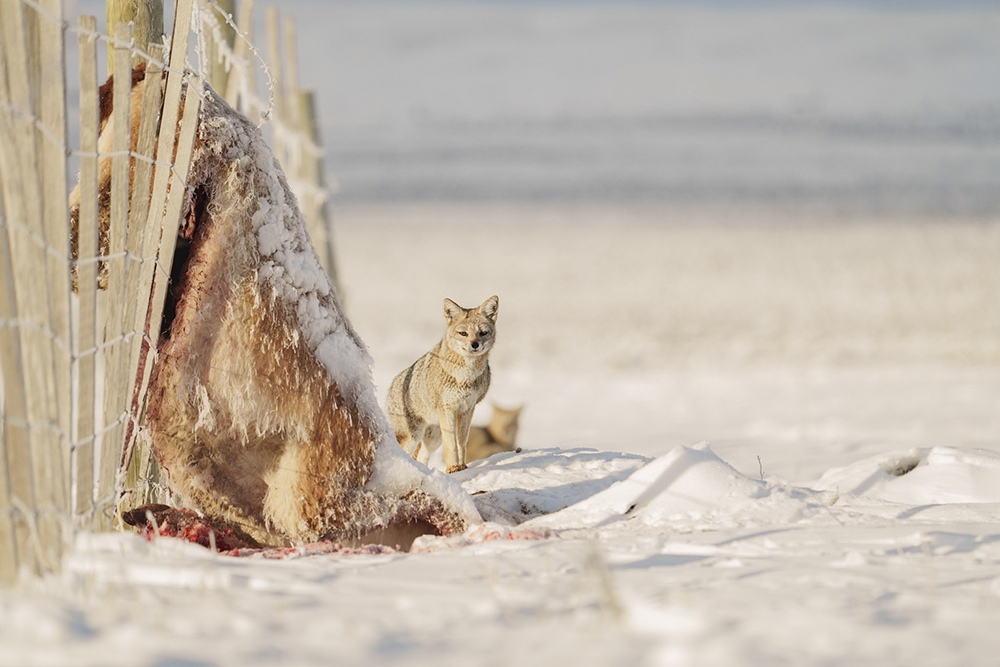
Carolina Aravena Costa The truth is, I'm pretty clumsy. I drop things, lose things, and have little accidents all the time. It's not something that only happens when I'm taking photographs, it's just part of who I am.
Over the years I've learned that these things are simply part of my life. Of course it hurts to lose a camera. They're expensive, and I certainly don't have the money to replace them easily. But, strangely enough, what I almost never mourn is the equipment itself. What really hurts is losing the photographs.
That's exactly what happened when my camera fell into the Paine River. What broke my heart wasn't the camera, it was knowing that all those images had disappeared with it.
Those accidents have also made me more careful. I tend to get distracted very easily because I have attention deficit disorder, so now I make a point of checking things twice and paying much closer attention to my equipment.
At the same time, I don't want to photograph out of fear. If I became obsessed with never losing a camera, I'd probably stop enjoying the experience.
With time, I've even learned to laugh about these stories. They've become part of the anecdotes I always end up telling when I talk about my travels. That's just who I am: a little absent-minded, a little disorganized, but also convinced that even these accidents become part of the story you build as a photographer.
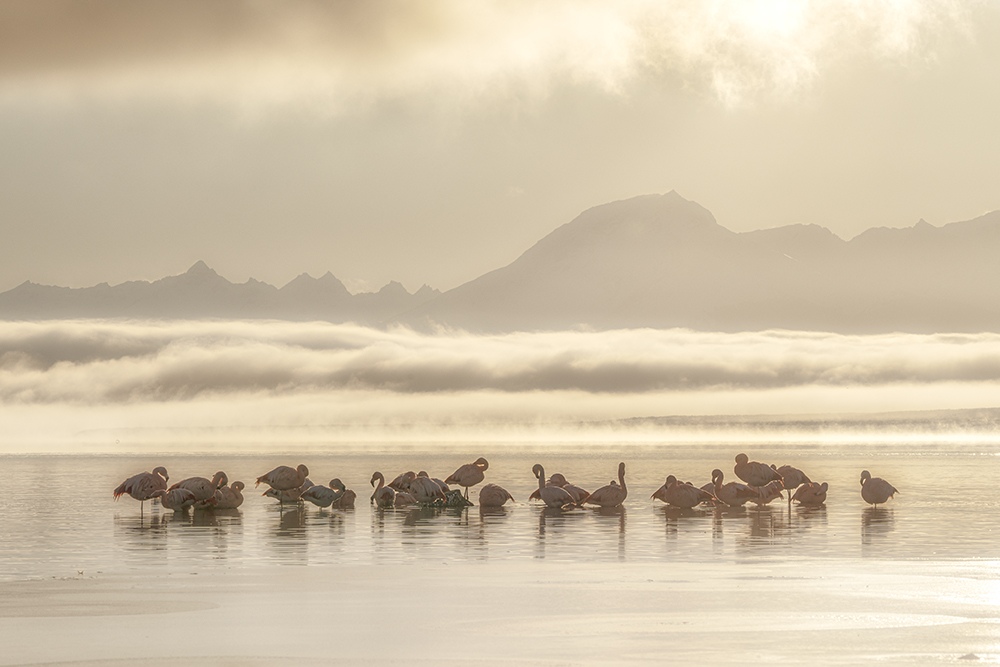
Carolina Aravena Costa Whenever I photograph wildlife, I almost always end up lying on the ground. I like working from a lower angle because it puts me at the animals' eye level and, at the same time, it's a way of disturbing them as little as possible. It also gives me better stability when I'm using a telephoto lens.
In those moments, I stop paying attention to a lot of things. If I'm cold, uncomfortable, or getting covered in dirt, I usually don't even notice. I only become aware of the cold once I've finished photographing or when it becomes impossible to ignore.
I never stop hearing what's happening around me. I still hear the birds, the wind, or the water, but my full attention is focused on whatever I'm trying to photograph.
That isn't always easy for me. As I mentioned before, I have attention deficit disorder, and anxiety often works against me. Because I want to react quickly, I sometimes forget to check my camera settings and end up with photographs that are overexposed, too dark, or out of focus. It happens quite often, and over the years I've learned to accept it as part of the process.
Sometimes the photographs turn out exactly as I imagined them, and sometimes they don't. But I still love those moments when everything else fades into the background and the only thing that matters is trying to take a photograph without disturbing what's happening in front of me.
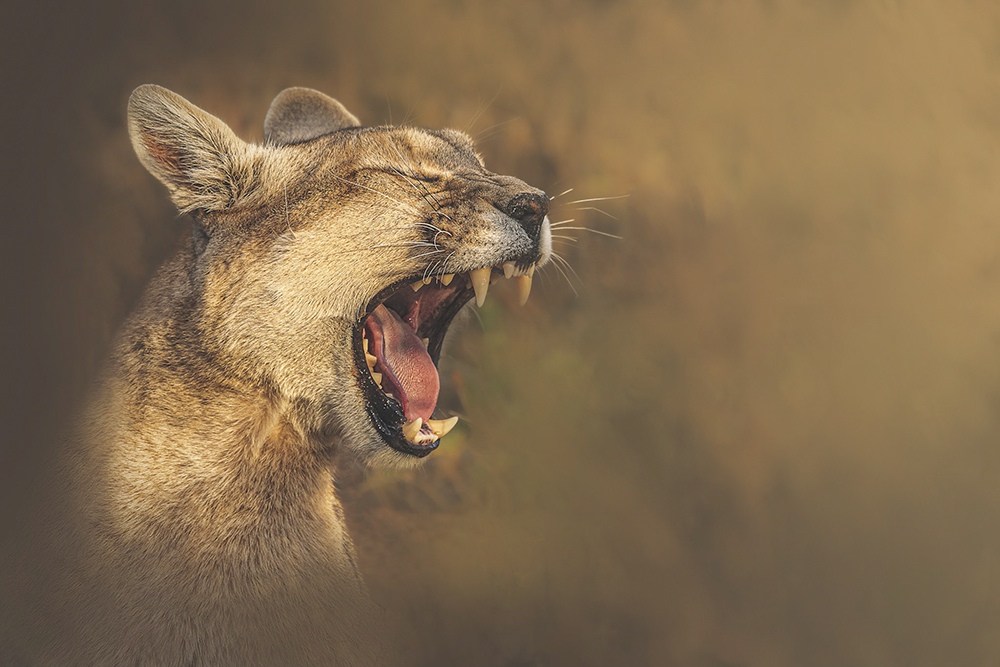
Carolina Aravena Costa For me, the perfect moment is when both things happen: having an unforgettable encounter and coming away with a photograph that truly captures it.
But that doesn't always happen. Sometimes the photograph simply doesn't work out. The camera may be set up incorrectly, the animal may move too quickly, or I might make a mistake. And although it's a little disappointing, I never feel that the moment itself has been lost. The experience is still there.
I remember my first puma, for example. The photograph was completely out of focus. The same thing happened recently in Puerto Natales, when I saw a group of flamingos flying across an enormous moon against a beautiful pink sky. It was an incredible scene, but I never managed to focus the camera. I don't have that photograph.
What I do have are the memories, and the stories that came with them. In fact, whenever I think back on those moments, I usually end up laughing.
I think photographs and experiences are deeply connected, but they aren't the same thing. A good photograph can preserve a moment forever. But when the photograph doesn't exist, the memory still has enormous value. That's why I never feel that a trip was any less worthwhile just because I didn't come home with every image I had hoped for. Some moments simply stay with you, and to me, that's also part of photography.
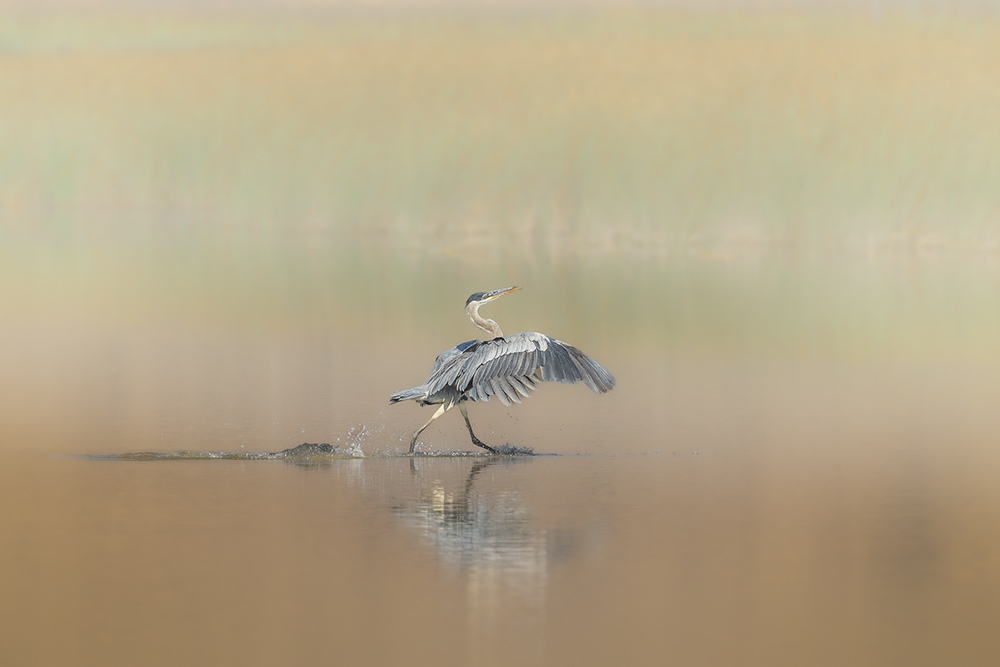
Carolina Aravena Costa The explanation is actually very simple: I have a terrible memory. It's much easier for me to remember a bird's common name than its scientific or English name. I can't expect myself to remember all of that. But over time I realized there's another advantage as well.
I think common names make nature feel much more approachable. They're familiar, easy to remember, and they allow anyone to start recognizing a species without feeling that they need specialized knowledge. I like to think that, once someone learns the name of a bird and recognizes it again later, they've already begun to build a different kind of relationship with it. And I think that's an important first step.
I photograph mainly in Chile because it's my country and because it's where I have the opportunity to develop my work. I'd love to travel to many more places around the world to photograph nature, but the reality is that I don't always have the resources to do that. Exploring Chile is what I can do today, and I still feel there is so much left for me to discover here.
I've had the chance to photograph in other countries, such as Colombia, and I'd love to continue doing that in the future. But if I had to choose, I'd still choose Chile. I feel there are still countless landscapes, birds, and stories waiting for me here.
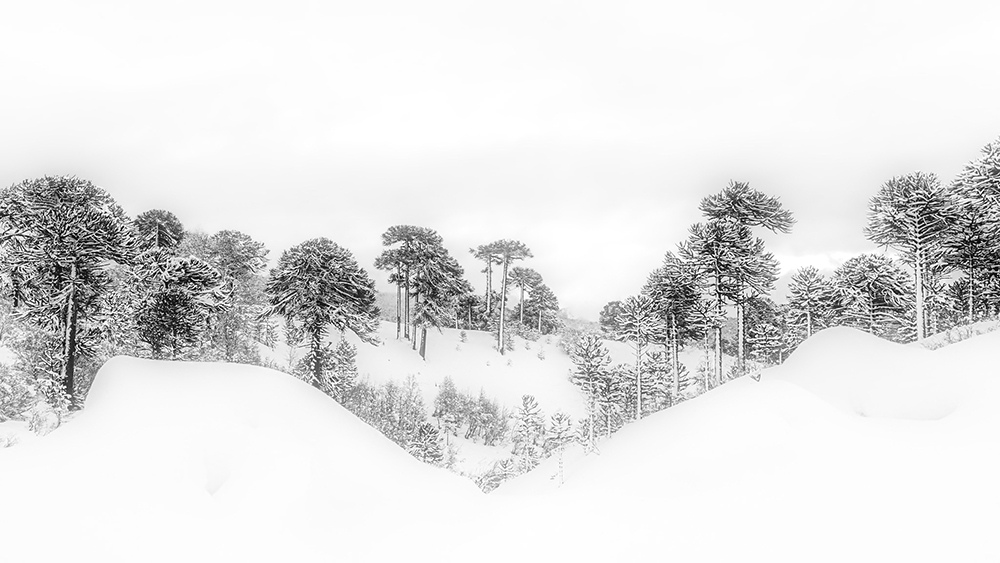
Carolina Aravena Costa That's a difficult question.
Whenever I arrive somewhere and find litter, see a damaged landscape, or notice the effects of drought, I feel a deep sense of sadness and helplessness. I can't help thinking that caring for nature remains an enormous challenge, and that we're often unaware of everything we're losing.
Not long ago, I attended a Climate Reality Project event where there was a lot of discussion about climate change and the need to protect our planet. These are huge issues, and they often feel far beyond what any one person can do.
But in the end, I always come back to one very simple idea: the Earth is our home. Nature can continue without us. We can't continue without nature. Without water, there is no food. Without food, there is no health. And without those things, there is no society that can truly survive. That's why I believe caring for nature isn't just about protecting beautiful landscapes, it's about protecting the place where we all live.
Sometimes I get frustrated because messages about conservation often reach people who are already convinced. That's how social media works. It's much harder to reach those who don't yet feel connected to these issues.
Even so, I still believe it's worth trying. Not because I think I'm going to change the world, but because every person who begins to look at nature with a little more respect feels like a small step forward. That's what gives me hope and keeps me going.
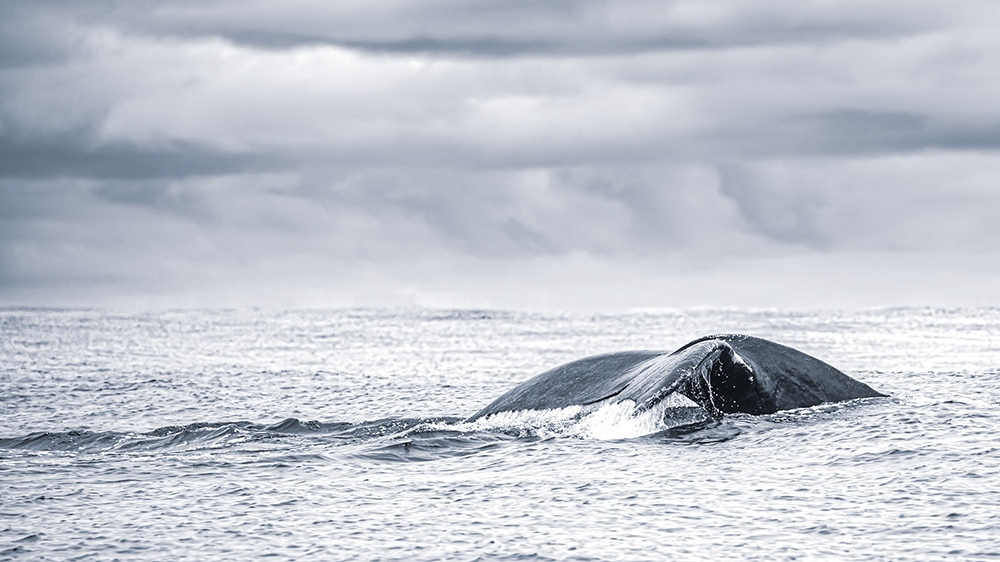
Carolina Aravena Costa Honestly, I don't know.
I'd like to believe that at least one person has looked at a species or a landscape differently because of one of my photographs. But I have no way of knowing. These days, social media often means that my work reaches people who are already interested in nature. It's much harder to reach those who don't yet feel that connection. That's why I think opportunities like this interview are important. Maybe they'll help the message reach a little further.
Can a photograph change the way someone thinks? I'd like to believe it can. But I also think it's very difficult, especially at a time when there are still people who deny problems as obvious as climate change. Sometimes I wonder if I could do more, or find better ways to reach new audiences. I just don't know what that path looks like yet.
What I do know is this: if a single photograph encourages someone to look more closely at nature, become curious about a species, or simply take a little more care of the place where they live, then my work already has meaning.
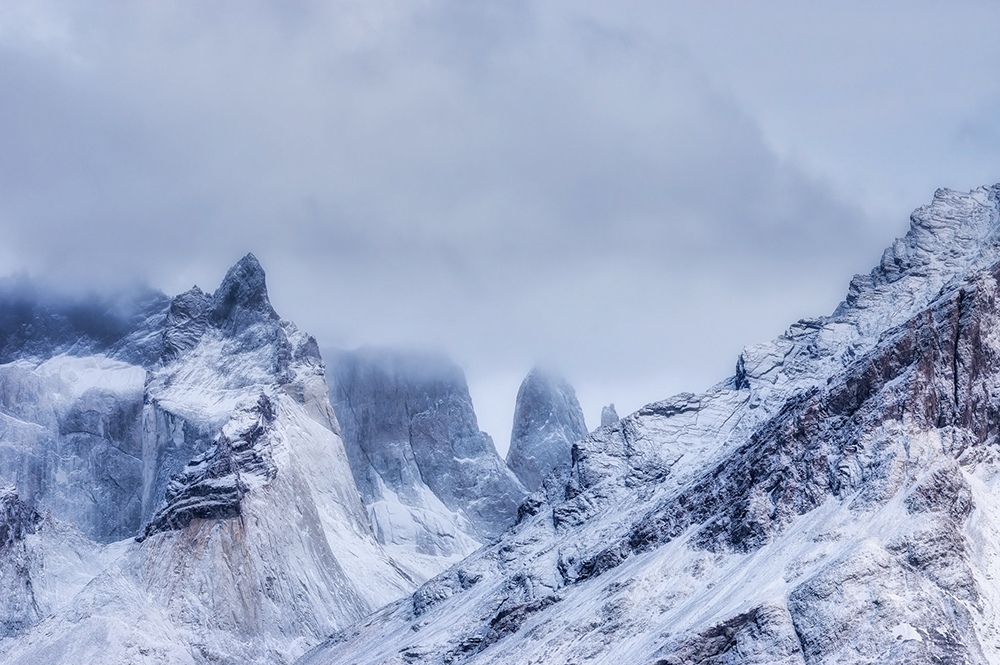
Carolina Aravena Costa For a long time, I thought I wanted to create a photobook about the birds of Chile. But that idea has gradually changed.
Today, I feel I'm in a period of exploration. I'd still like to make a book, but I'm also discovering other ways to express myself. One of the things I've enjoyed most has been learning how to print my own photographs. Seeing an image on paper feels completely different from seeing it on a screen. I can't really explain why, but there's something very special about holding a photograph in your hands.
That process also led me to try other things. I started drawing, painting, and exploring different forms of expression. I still don't know where all of this will lead. Maybe it will become a photobook, or maybe it won't.
What I do know is that I want to keep learning. I'd like to deepen my knowledge of fine art printing, color theory, and other tools that will help me express what I want to communicate more clearly. Right now, I'm not trying to reach a final result as quickly as possible. I'm enjoying the process of discovering what I really want to say.
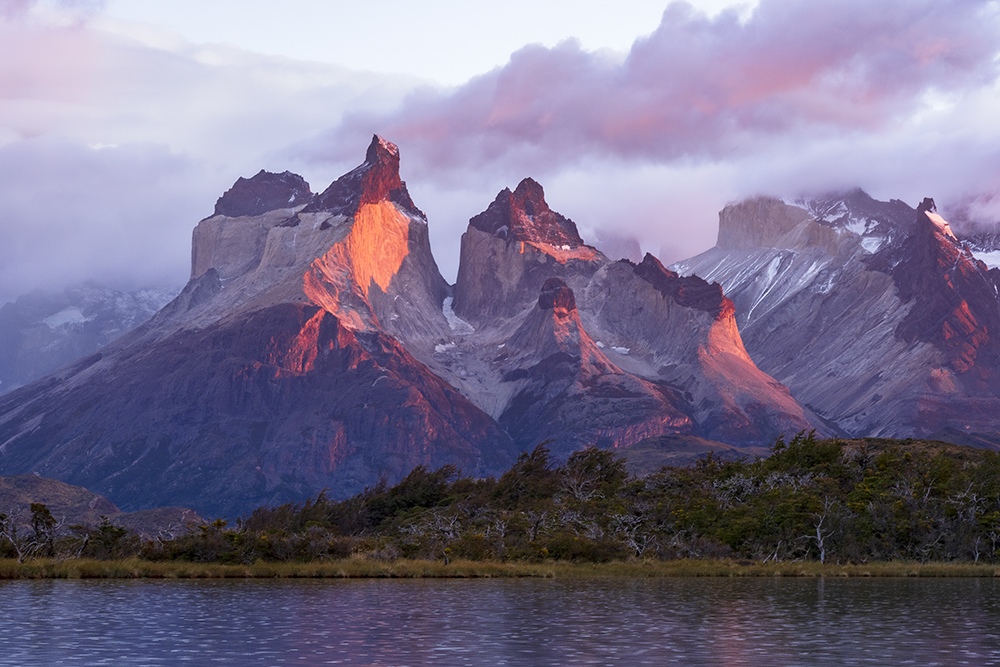
Carolina Aravena Costa Honestly, I don't want to know.
I like that the mystery is still there. I think part of Patagonia's magic is that it always manages to surprise me. Every trip is different. There's always a different light, a landscape I hadn't seen before, or a photograph I still hadn't managed to make. And whenever that happens, I'm reminded that there's still so much left to discover.
If one day I felt I completely understood why I keep coming back, I think some of the magic would disappear.
Some places are never meant to be fully understood, only explored.