Where experiences, discoveries and creative journeys meet

Science and Technology

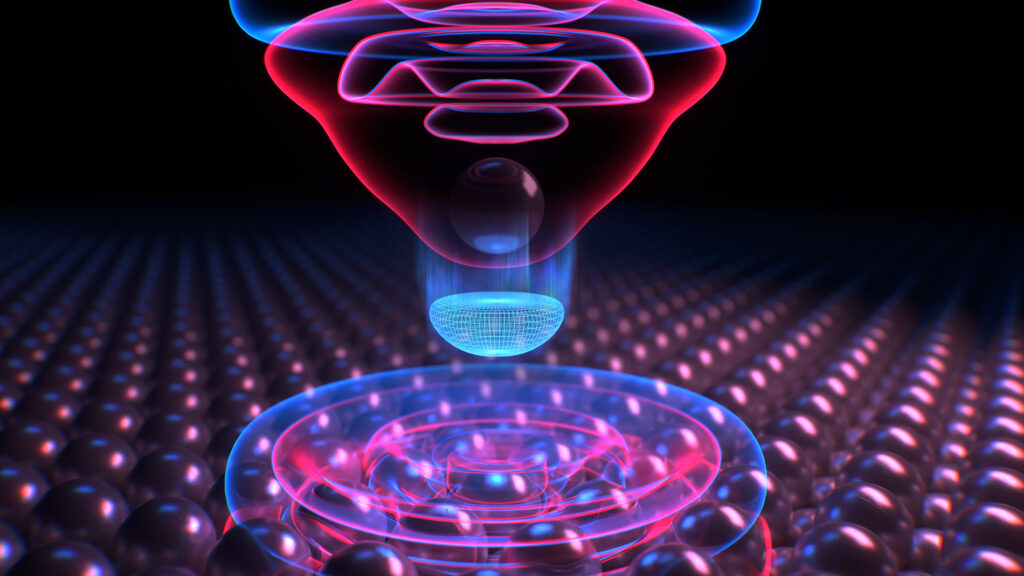
A visualization of the electron wave packet's response to a pulse of light, illustrating the space-time tradeoff described in the study.

A High-Speed Camera for the Electron

A High-Speed Camera for the Electron Raffael Spachtholz (left) and Katharina Glöckl (right) beside the scanning tunneling microscope setup used in the experiment · Credit: Katharina Glöckl and Raffael Spachtholz, University of Regensburg Katharina Glöckl and Raffael Spachtholz on catching an electron in the act Editor’s Note Some experiments reveal, above all, the limits of

A High-Speed Camera for the Electron Read More »

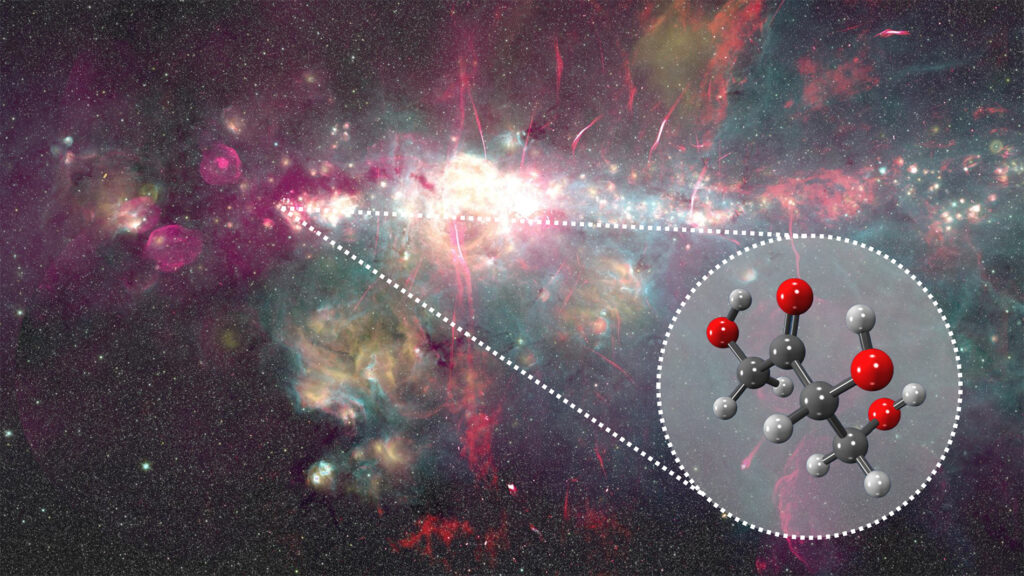
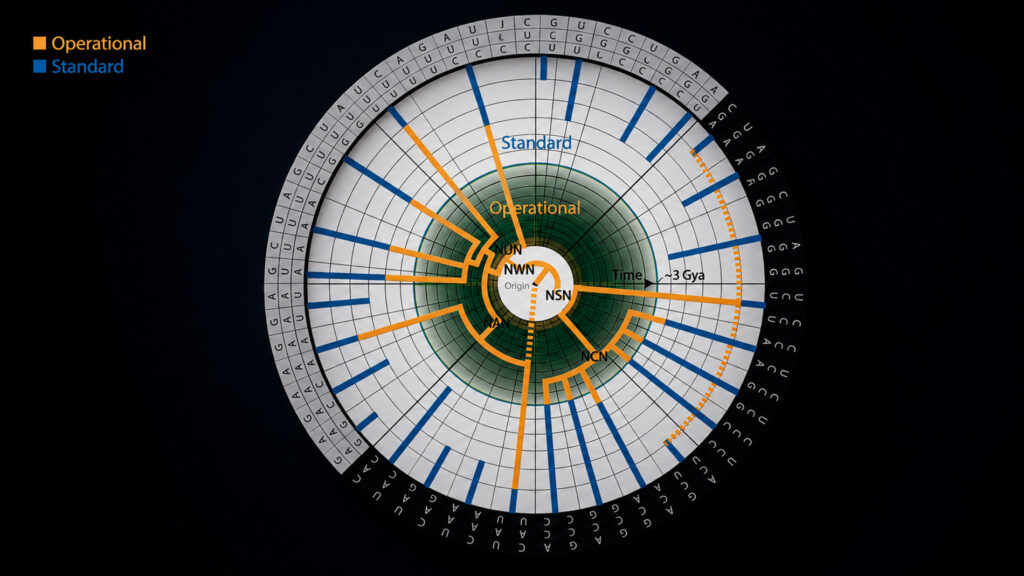
The genetic code mapped as a spiral through time, showing how the system of codons and amino acids expanded outward from a single ancient origin. Orange traces the older operational code; blue traces the standard code that followed.

When Chemistry Learned to Remember

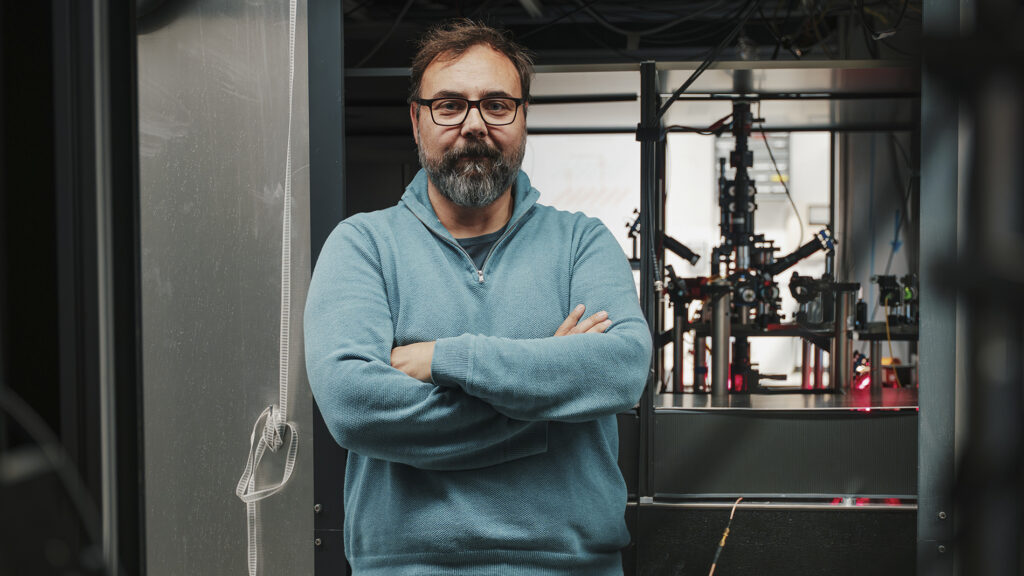
The Language Before Language Prof. Gustavo Caetano-Anollés in his laboratory · © University of Illinois Dr. Gustavo Caetano-Anollés on dipeptides, dual codes, and the emergence of biological meaning Editor’s Note I first encountered Gustavo Caetano-Anollés through a paper that immediately drew my attention. Not because of its conclusions, but because of the scale of the

When Chemistry Learned to Remember Read More »

A DNA double helix threads through the landscape of living tissue, its branches reaching toward the organs that age on their own clocks — muscle, brain, liver, fat. The body does not grow old all at once.

The Synchronized Clock: Is Aging a Body-Wide Orchestration?

Self portrait, Image credit: Dr. Junyue Cao The Synchronized Clock: Is Aging a Body-Wide Orchestration? A large-scale single-cell atlas suggests that aging is coordinated across tissues and begins earlier than previously assumed Editor’s Note Aging is often described as a gradual accumulation of damage within individual tissues. Recent work by Dr. Junyue Cao and colleagues

The Synchronized Clock: Is Aging a Body-Wide Orchestration? Read More »

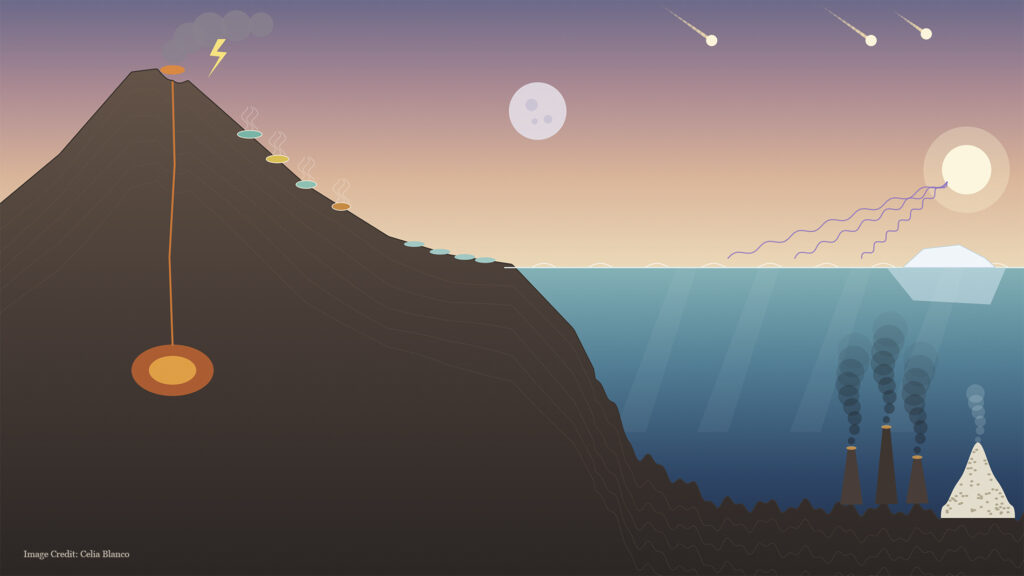
Inside a living bacterium, a reconstructed nitrogenase enzyme — its iron-sulfur backbone rendered in the rust-red of ancient metal — glows at the cell's core. The rock that cradles it is Archean. So is the molecule. Only the cell is new.

The Molecule That Did Not Change

Holly Rucker, doctoral candidate in the Kaçar Lab, Department of Bacteriology, University of Wisconsin-Madison. Her study “Resurrected nitrogenases recapitulate canonical N-isotope biosignatures over two billion years” was published in Nature Communications on January 22, 2026. Photo: Kaçar Lab, University of Wisconsin-Madison. Holly Rucker on resurrecting a 3.2-billion-year-old enzyme, reading life from rocks, and what it

The Molecule That Did Not Change Read More »