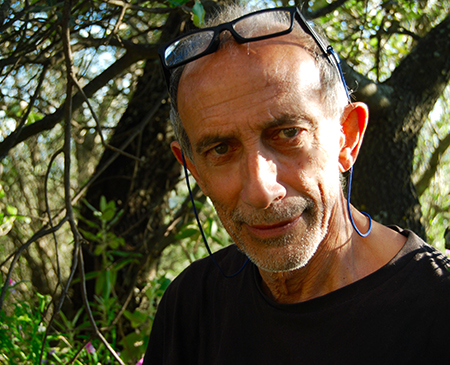
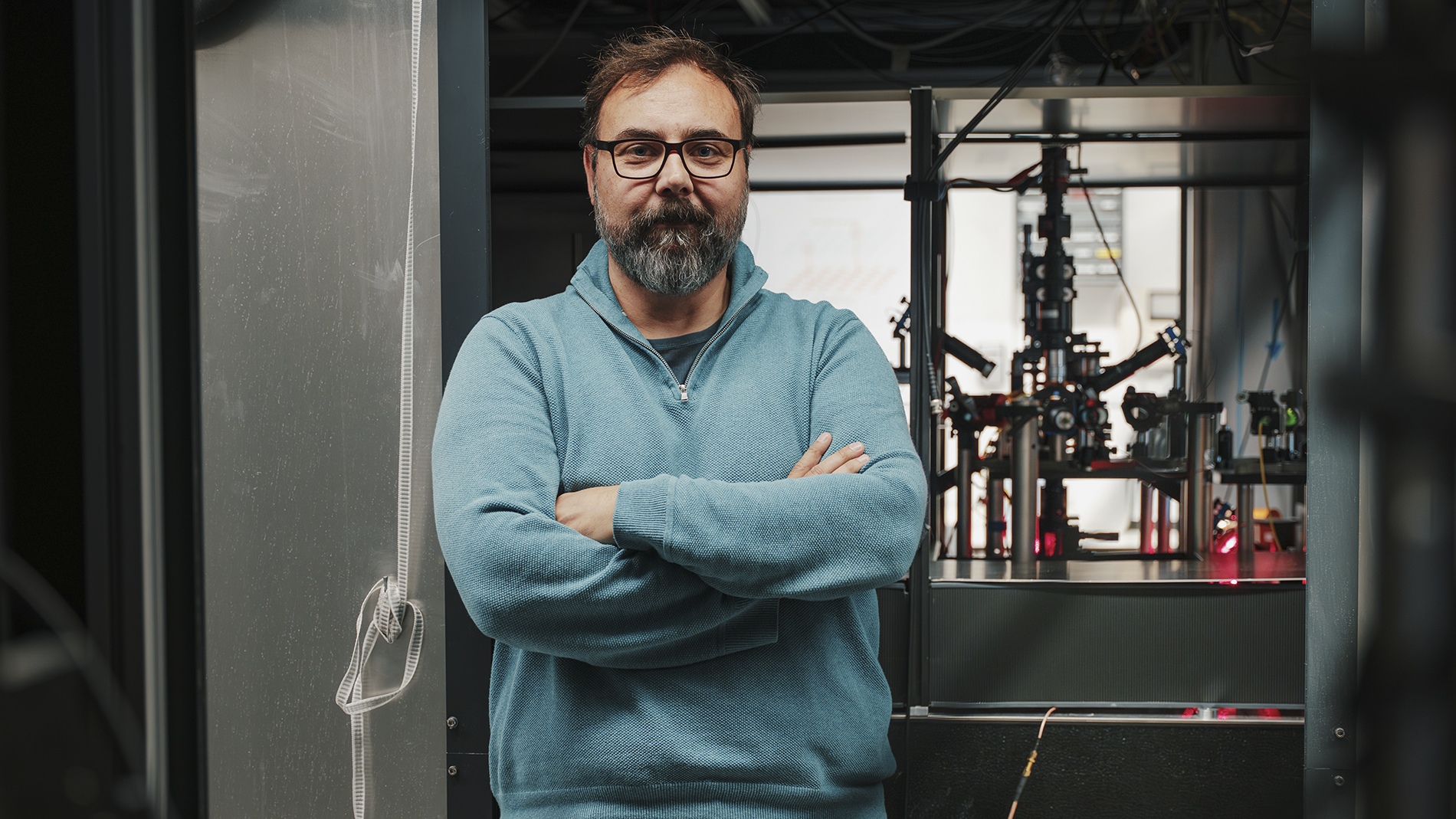
Dr. Giovanni Barontini · © University of Birmingham
Science
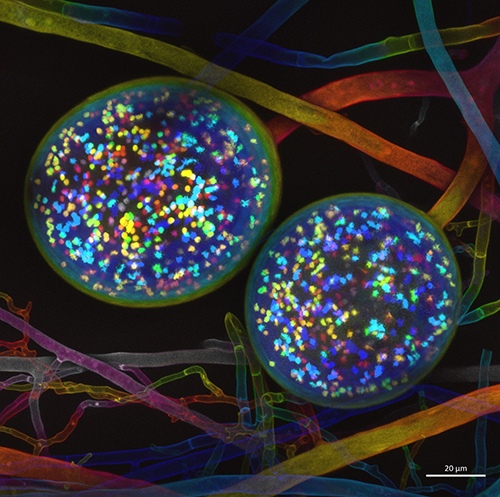
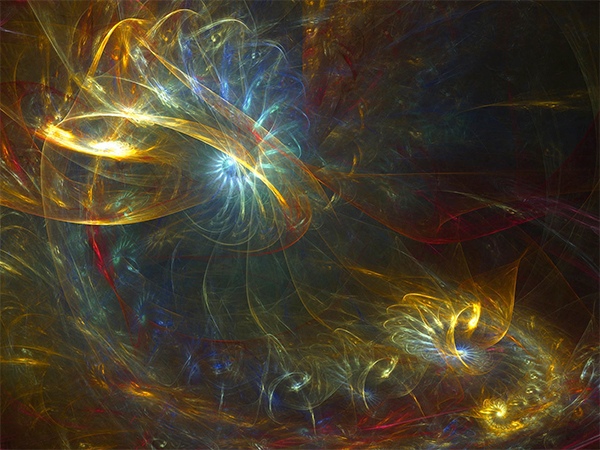
What Time Is Made Of
An experiment suggests that time may not be fundamental, but something that emerges from within
Time is one of the most familiar aspects of human experience and one of the least understood in physics. We feel it passing. We measure it constantly. And yet some of the most rigorous theories of the universe suggest it may not exist at a fundamental level at all. The Wheeler-DeWitt equation, proposed in the 1960s, describes the universe as a single, static quantum state with no built-in time parameter. In this picture, there is no external clock ticking in the background. The experience...
READ MORE
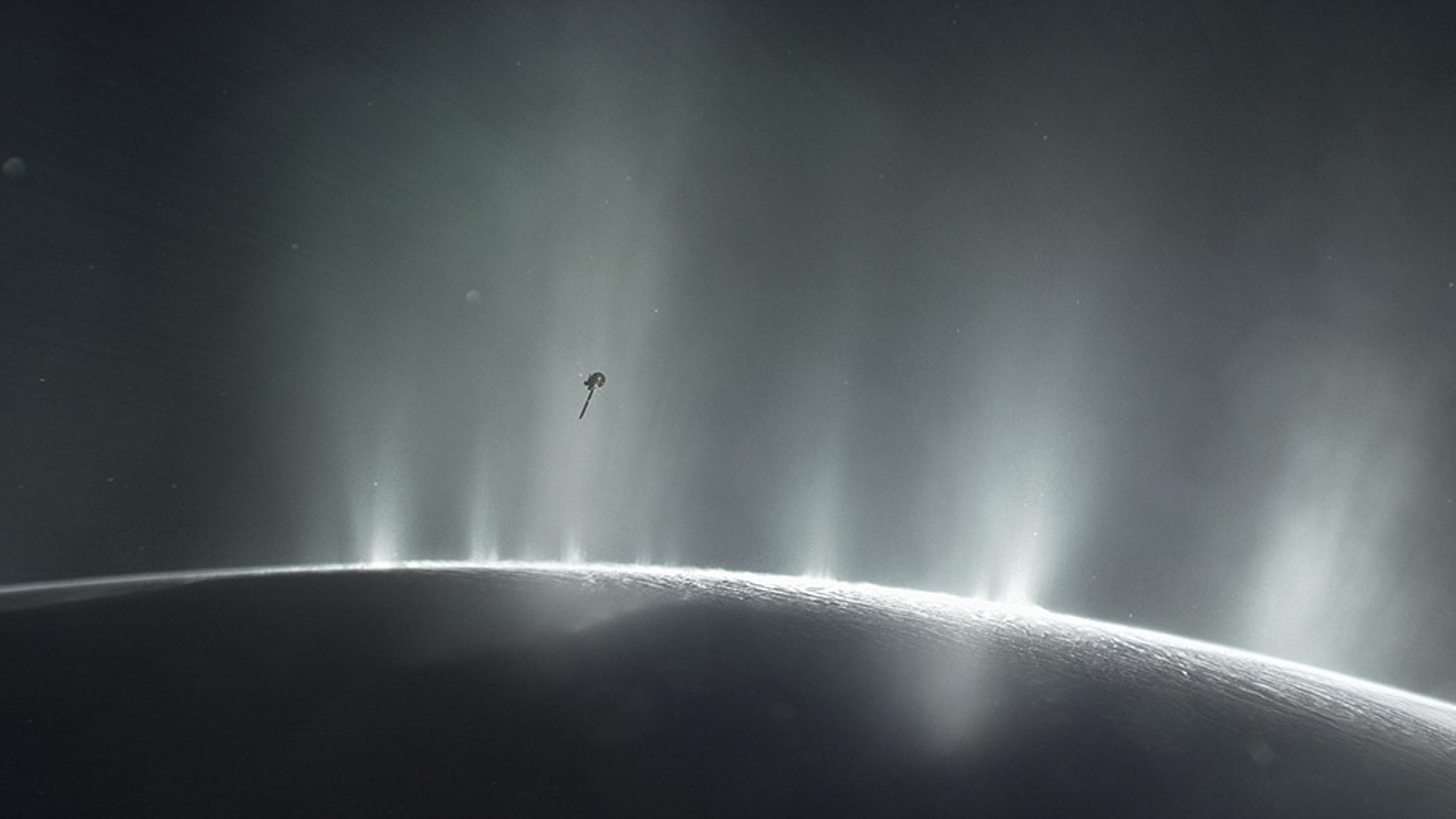
Cassini flying through the plume of Enceladus · Image: NASA/JPL-Caltech
Science
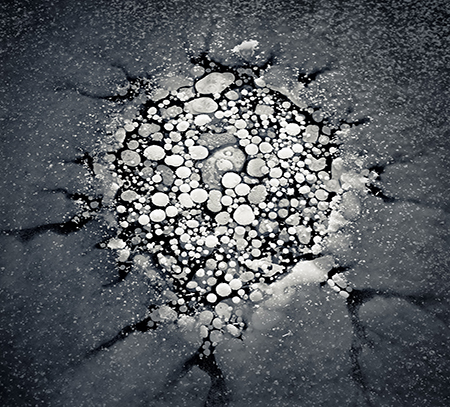
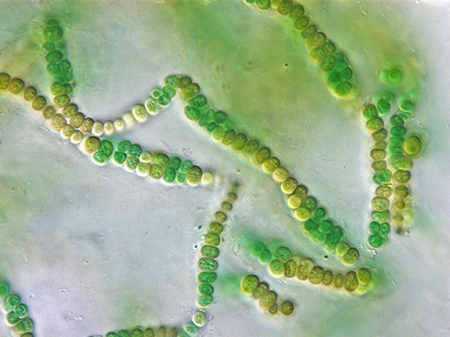
The Pattern Life Leaves Behind
The search for life beyond Earth is looking in a new place: the statistical order hidden in molecules
For decades, the search for life beyond Earth has rested on a deceptively simple premise: find the right molecules. Amino acids. Fatty acids. The chemical signatures of biology...
READ MORE
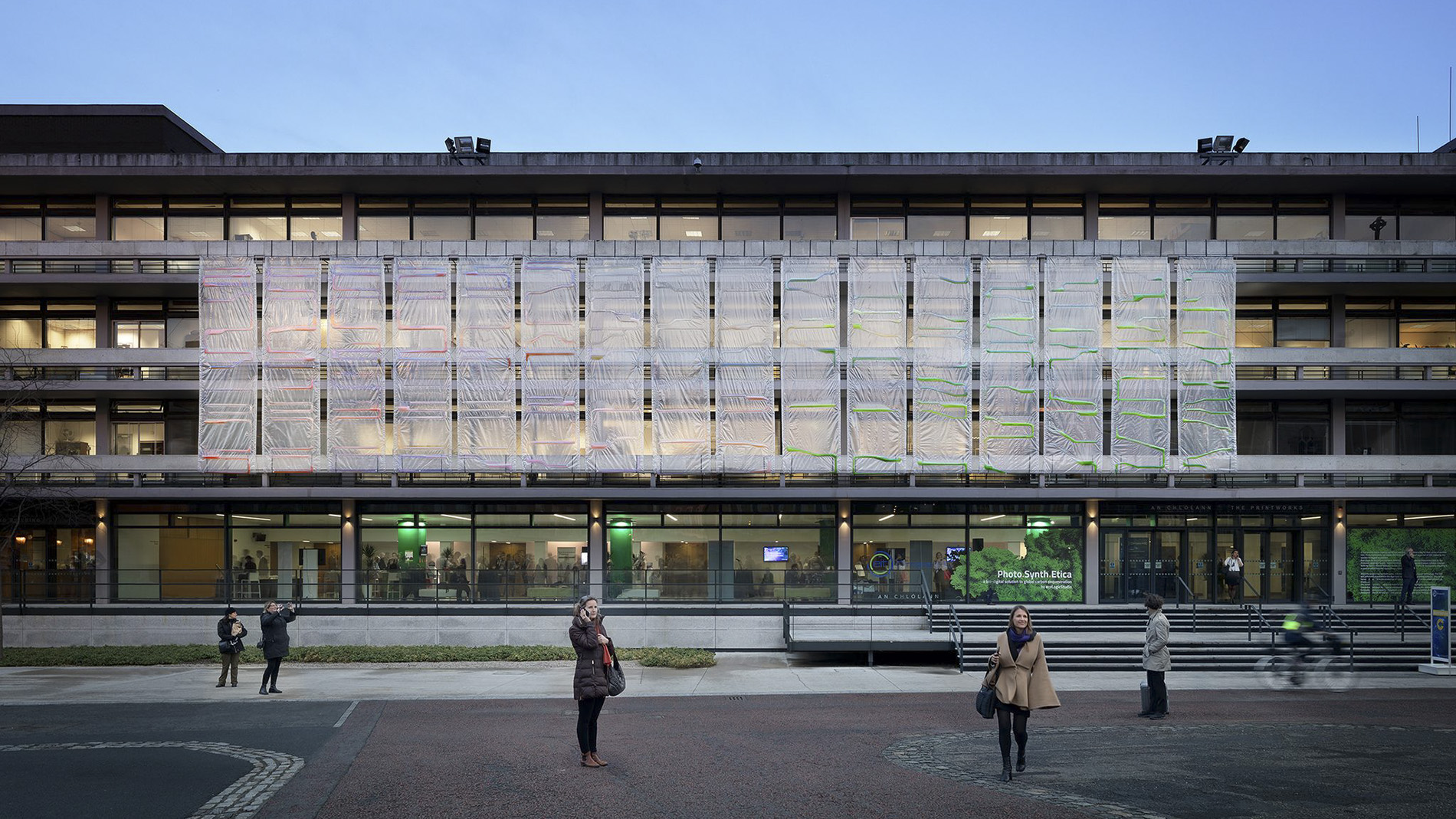
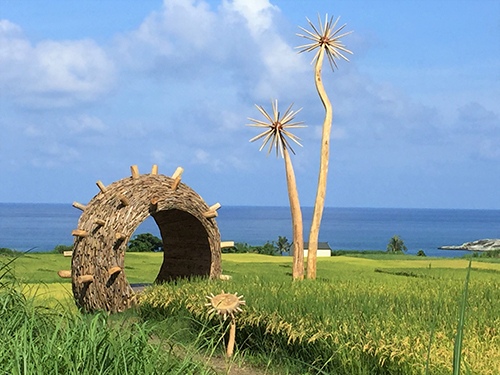
Photo.Synthetica, curtain installation, Dublin Castle, Image credit: © Photo Synth Etica
Design
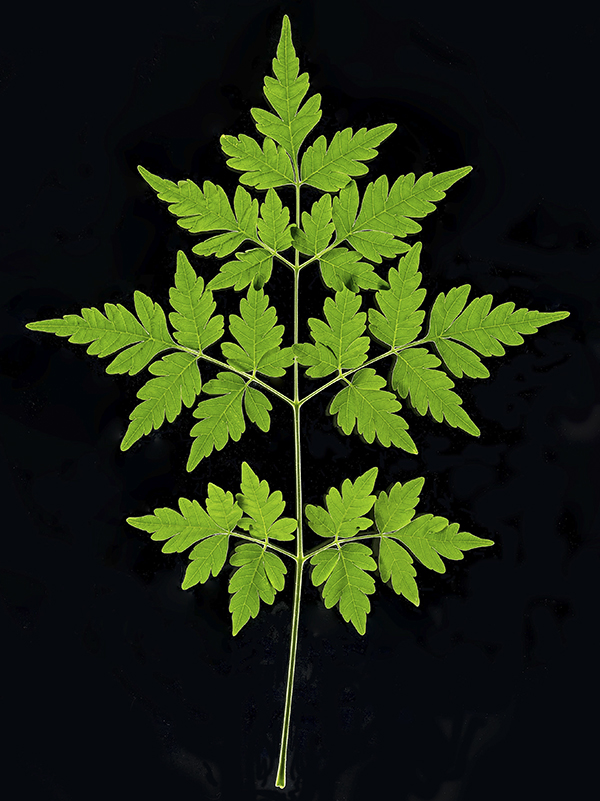
Architecture That Breathes
Claudia Pasquero and Marco Poletto on living systems, nonhuman intelligence, and the city as an ecosystem
In 2005, when Claudia Pasquero and Marco Poletto founded ecoLogicStudio in London, the idea that a building might breathe, metabolise, or think was largely confined to...
READ MORE

From the Magazine
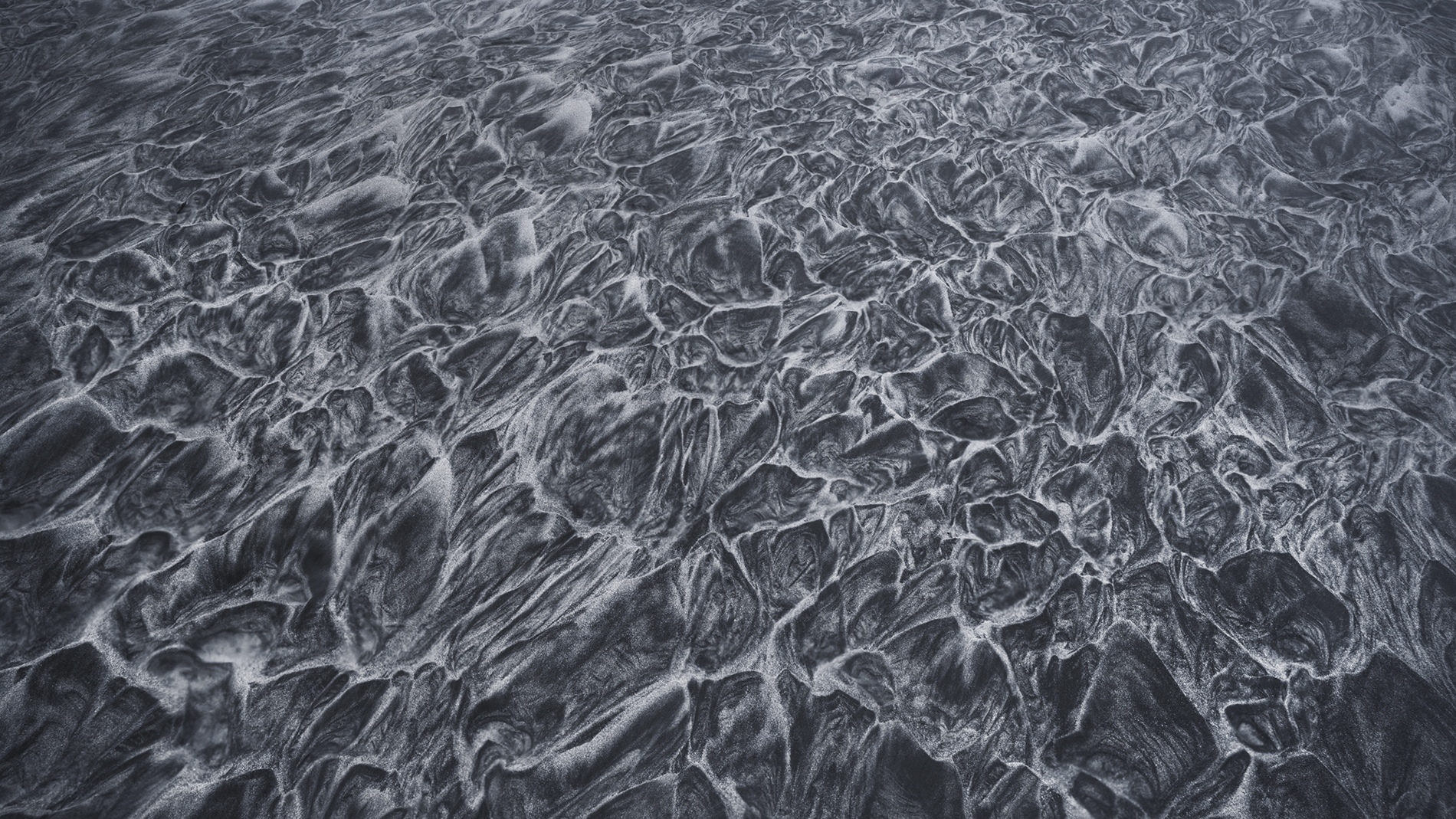
Photography
When Fog Became a Question
A Conversation with Stefano Balma
Stefano Balma’s journey into photography began with a bank of fog. Not as a metaphor, but as a visceral encounter. One day, in the forests above Genoa, a...
READ MORE
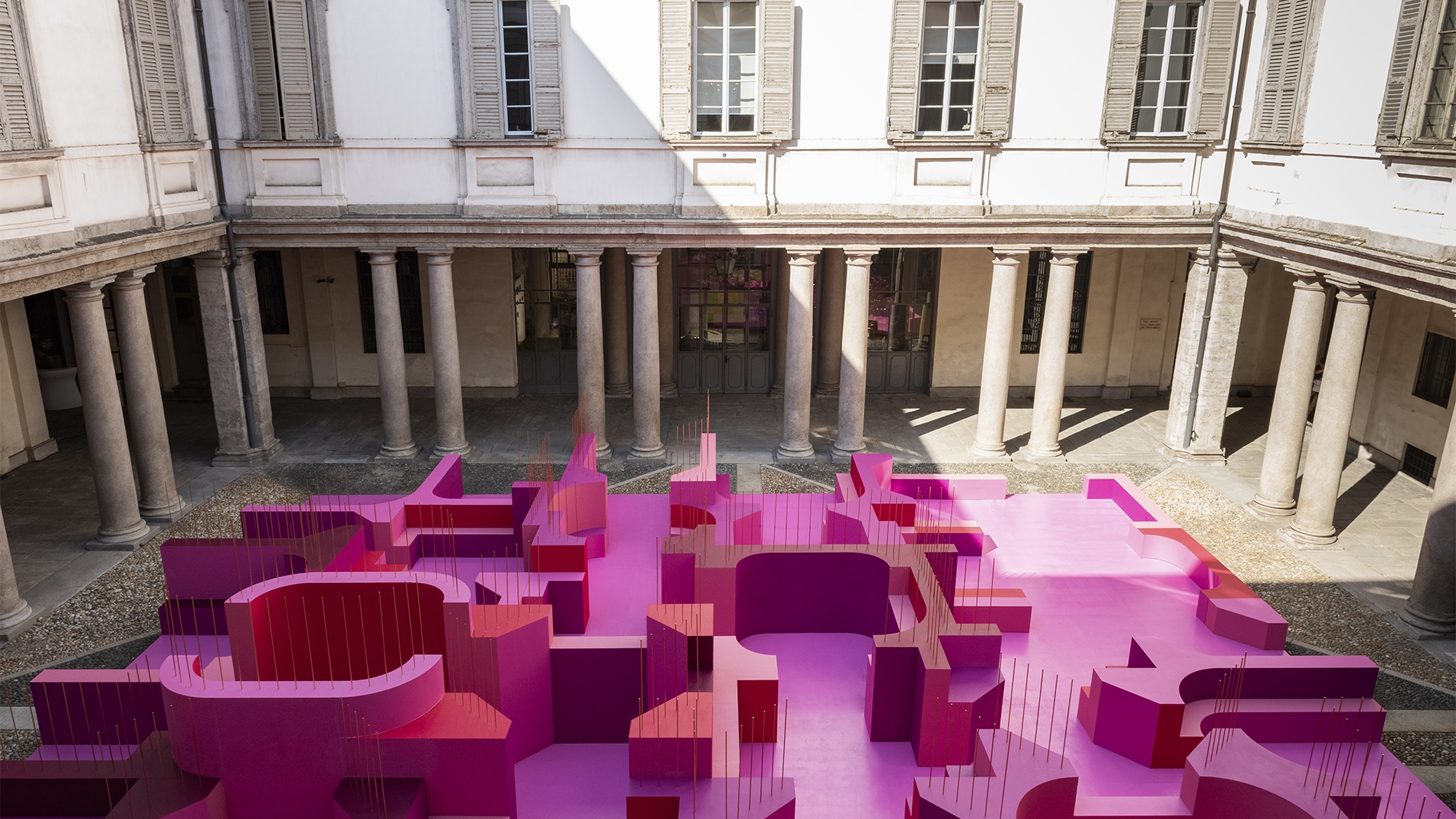
Architecture
Metamorphosis in Motion
Reimagining a Baroque Courtyard
There is a particular challenge in designing for a space that already knows what it is. The Cortile d'Onore of Palazzo Litta in Milan does not yield easily to new interpretations.
READ MORE
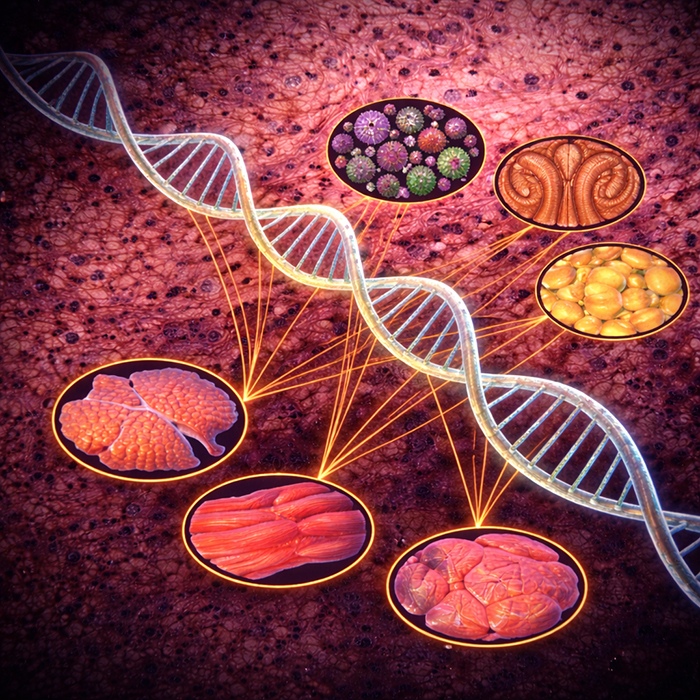
Science
The Synchronized Clock
How trillions of cells keep time together
Traditional models describe aging as a tissue-specific process driven by local damage accumulation. In such models, organs decline largely independently, with limited coordination across systems.
READ MORE